


Healthy Eating Tips: 7 Fresh Ideas for 2025
Discover 7 fresh healthy eating tips for 2025 and learn how simple, everyday ideas can help you improve your nutrition and wellbeing.

Healthy eating matters more than ever in 2025, yet the classic rules often aren't enough on their own anymore. Recent surveys suggest most people want to eat more mindfully this year. New realities like remote work, growing environmental awareness and exciting food trends call for fresh approaches. With the right healthy eating tips, you can feel more energetic, support your wellbeing and do something good for your body at the same time.
In this article you'll find seven fresh nutrition ideas that can genuinely make a difference in 2025. Discover what makes each one special and how to weave them straight into your daily routine.
Why healthy eating matters more than ever in 2025
Healthy eating is more than a passing trend. Research suggests that our eating habits are closely linked to our health, our performance and our long-term wellbeing. Eating mindfully today can support your energy levels throughout the day and help you feel your best.
Daily life is changing fast: remote work, flexible hours and the constant availability of snacks all shape how we eat. At the same time, environmental changes influence the choice and quality of the foods available to us. Many people reach for convenience products more often, while fresh, local ingredients are steadily gaining ground.
Local and seasonal produce is very much in the spotlight. It supports not only your own wellbeing but also sustainability and the climate. Shorter transport routes and fresher quality save resources and lower carbon emissions. At the same time, Micronutrients and plant compounds are getting more attention. They play a role in a balanced diet and support two areas that often fall by the wayside in a hectic routine: everyday wellbeing and mental balance.
2025 also brings new opportunities: digital tools and food tech make personalised nutrition and tailored support possible. Apps, digital trackers and individual analyses make it easier to fit healthy eating tips into daily life. That makes eating well not just simpler, but more personal than ever before.
7 fresh nutrition tips for 2025
The following seven tips bring a breath of fresh air to your everyday routine. They combine modern science with practical solutions and make it genuinely tempting to try something new.
1. Bring plant variety into your everyday meals
A plant-based approach is one of the most important nutrition tips for 2025. Research suggests that people who embrace variety in the plants they eat tend to support their heart health along the way.
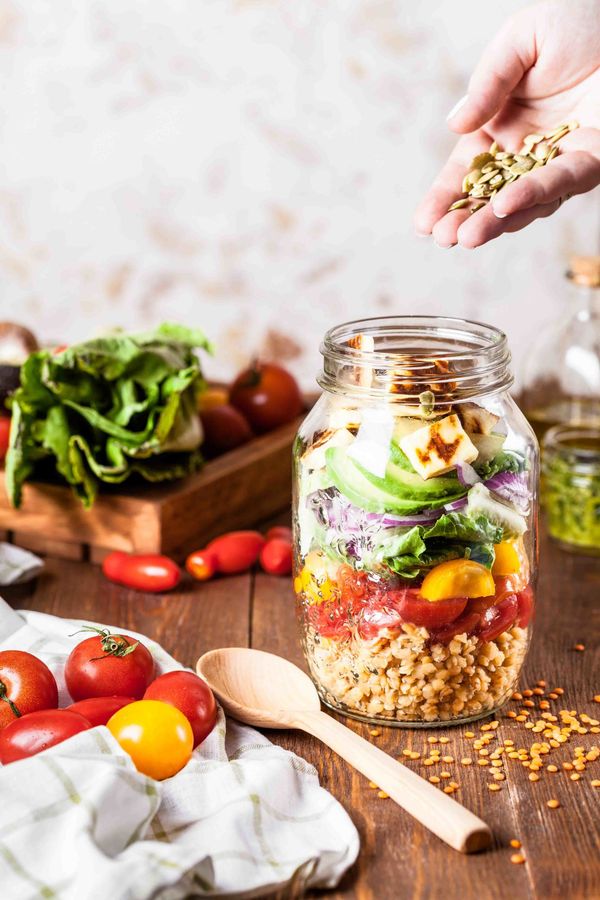
Eat the Rainbow is the motto: try to make every meal colourful. The more colours on your plate, the more plant compounds and micronutrients you take in, which can help support your immune system and everyday wellbeing.
A practical tip: build a weekly plan with at least 30 different plant varieties. It sounds like a lot, but with a little planning it's easy to manage. Rotate between different fruits, vegetables, pulses and nuts. A simple recipe to get started: a chickpea salad with peppers, tomatoes, parsley and sunflower seeds. That gives you an extra helping of Fibre and protein.
Aiming for around three quarters of your meals to be plant-based can support gut health and is kinder to the planet too.
Tip: Keep a list where you note every new plant variety you try. That way, variety becomes a fun little game.
2. Meal prep and batch cooking: save time, eat well
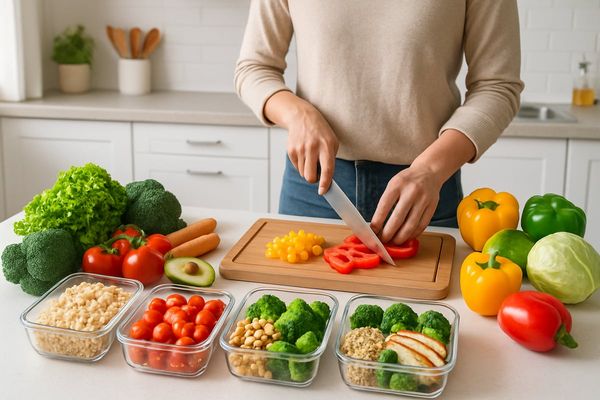
In a busy routine, healthy eating often falls by the wayside. One of the smartest nutrition tips for 2025 is meal prep. Plan your meals in advance and prepare them in larger batches on a single day, for example on a Sunday.
This saves time, reduces stress and helps you eat more mindfully. Another bonus: you cut down on food waste, because you shop and use ingredients more intentionally.
Here's how:
- Think about which dishes prep well, such as soups, veggie stir-fries or overnight oats.
- Cook larger quantities and freeze in portions.
- Create a weekly plan so you always know what you're eating and when.
Many working people reach for ready meals on a regular basis. With meal prep, you always have healthier alternatives within reach. Pay attention to storage: fresh containers or jars keep meals fresher for longer. Label everything with a date so nothing gets forgotten.
Tip: Let some tasty recipe ideas inspire you, so meal prep stays varied and exciting.
3. Smart snacks: healthy bites for 2025
Snacks are among the nutrition tips that often get underestimated. Smart snacks can help keep your energy levels steady and curb those between-meal cravings.
Reach for veggie sticks with hummus, a handful of nuts or homemade protein bars with no added sugar. These options deliver valuable nutrients and keep you satisfied for longer. Pack a snack box for when you're on the go, so you're less tempted to grab sweets or fast food.
Many people snack at least once a day. Smart snacks can help keep energy dips at bay and your focus sharp. 2025 brings some exciting snack trends: fermented snacks like kimchi crisps are becoming more popular. They're nutrient-rich and sustainable.
When choosing snacks, go for minimal packaging. Homemade or unpackaged alternatives are kinder to the environment.
Tip: Make a list of your favourite snacks and prep them at the weekend. That way you stay flexible and well stocked.
4. Personalised nutrition: tailored to you
One of the most important nutrition tips for 2025 is personalisation. With DNA tests, microbiome analyses and smart apps, you can tailor your diet to your individual needs.
This brings plenty of benefits: better tolerance, more targeted nutrient intake and more motivation, because you know exactly what works for you. Take intolerances, allergies and personal goals like building muscle or managing your weight into account.
Plenty of people say they'd welcome more individual nutrition solutions. Here's how to put personalised nutrition tips into practice:
- Keep a food diary.
- Try different foods and observe how they make you feel.
- Use digital tools for personal recommendations.
Artificial intelligence and digital tools will offer even more support in 2025 when it comes to fine-tuning your diet. Share ideas with others and stay open to new insights.
5. Intuitive eating: listen to your body instead of following diet rules
Intuitive eating is an approach that relies on your own body signals rather than rigid rules. Listen to hunger and fullness cues and enjoy your food mindfully.
This has many upsides: less yo-yo effect, more enjoyment and a better relationship with food. Research suggests that most diets fail in the long run. Intuitive eating can help you find your own rhythm.
Tips for everyday life:
- Take mindful pauses between meals.
- Before eating, ask yourself: am I really hungry, or is it just habit?
- Enjoy each meal without distractions.
Intuitive eating is easy to bring into family life too. Children in particular benefit when they learn to tune in to their own bodies.
Tip: Keep a mindfulness journal and note how you feel after different meals.
6. Fermented foods for a strong immune system
Fermented foods remain a top trend in 2025. Research suggests they can support your immune system and gut health.
Sauerkraut, kimchi, kefir and kombucha contain natural probiotics that support the microbiome in your gut. Since a large share of the immune system is based in the gut, fermented foods can be a genuine boost for your wellbeing.
The best part: you can try fermenting at home too. A simple recipe for beginners is homemade sauerkraut. All you need is white cabbage, salt and a jar. Opt for local and homemade ferments to cut down on packaging waste.
Tip: Start with small amounts and try different varieties. That way you'll discover which fermented foods suit you best.
7. Enjoy sustainably and locally: connecting the planet and your wellbeing
Sustainability is inseparable from healthy eating. Choose local and seasonal produce. This is kinder to both the environment and your wellbeing.
Use a seasonal calendar, shop at your local farmers' market and favour organic products where you can. Choosing local food can significantly cut carbon emissions. Shorter transport routes, less packaging and more freshness on your plate are benefits you can taste directly.
Why not try the "local food challenge": for a week, eat only foods sourced from your own region. Cut back on meat and discover local alternatives like lentils, peas or hemp products. Urban gardening and community-supported agriculture are becoming ever more popular in 2025.
Tip: Join a local produce community and share your experiences with others. It's motivating and a lot of fun.
Nutrition trends in 2025: what's coming, what's here to stay?
The world of nutrition is changing fast. Which trends will take hold and what truly matters? Here's an overview of the most important developments.
Technological innovations in nutrition
Technology is making healthy eating more accessible in everyday life than ever before. Apps help you plan meals, smart scales calculate nutritional values and nutrition trackers document your progress. Artificial intelligence analyses eating habits and offers personalised recommendations.
Did you know a growing number of people already use nutrition apps? Digital shopping lists remind you of seasonal produce or help you avoid food waste. Smart kitchen gadgets like multi-cookers or intelligent fridges save time and add variety. AI is set to make nutrition even more individual in the future.
Sustainability and climate-friendliness as the standard
In 2025, sustainability and climate protection are becoming the foundation for healthy eating. More and more people are paying attention to local and seasonal produce. Many shoppers now check how sustainably their food was produced.
The trend is heading towards plant-forward dishes, zero-waste concepts and plastic-free packaging. Climate labels on food help people make more conscious choices. A sustainable diet is not only kinder to the environment, but also brings more freshness and flavour.
Social change and a focus on wellbeing
Our food culture is shifting. Flexible work models, remote working and more shared meals are shaping everyday life. More and more people connect healthy eating with wellbeing and quality of life.
Mental balance is coming into sharper focus. Nutrition isn't just a source of energy, it can also support stress relief and concentration. Many people say that eating mindfully helps them feel better in themselves.
A holistic approach combines nutrition, movement and mental balance. More and more schools and workplaces are embracing nutrition education. Making changes together makes them easier.
Putting it into practice: how to make lasting changes to your diet
You've got to know the seven nutrition tips, and you may be wondering: how do I really make them stick in everyday life? With a clear strategy, a little planning and the right support, changing your eating habits works step by step.
Step by step: how to weave in the tips
The first step towards lasting change is to look at your current eating habits. Keep a food diary and note everything you eat and drink for a week. This gives you an honest picture and helps you find where to focus.
Set yourself realistic goals, for example using the SMART method: specific, measurable, achievable, relevant and time-bound. Instead of changing everything at once, take on one new tip each week. In week one, add more plant variety; in week two, try meal prep, and so on.
- Write your goals down and put them somewhere visible.
- Find a weekly plan or create your own.
- Note down small wins in writing, it's motivating.
Remember: small steps are more sustainable than crash diets. Stay flexible and adapt the tips to your everyday routine.
Shopping, stocking up and planning ahead
Good planning is everything. Create a shopping list each week, ideally in line with a seasonal calendar. That way you shop locally and fresh while being kinder to both the environment and your wallet.
Stock up on healthy basics like pulses, nuts, seeds and wholegrain products. Prepare meals in advance and store them in portions. This saves time and hassle, especially on busy days.
- Use apps or templates for shopping lists.
- Buy larger amounts of long-lasting staples for spontaneous meals.
- Plan breakfast, lunch and snacks in advance.
If you'd like to go deeper, read up on the basics of healthy eating, where you'll find plenty of useful information on choosing foods and meeting your nutrient needs.
Getting support: coaching and community
Changing your diet is easier when you get some support. Professional nutrition coaches can help you tailor these tips to your individual needs. When it comes to allergies, intolerances or particular goals, guidance can make a real difference.
Connecting with others is motivating too. Join a community, share recipes and wins, and let other people's stories inspire you. It makes the whole process more enjoyable and helps you stay on track.
- Find an expert near you or use online coaching.
- Become part of a group that keeps each other motivated.
- Share your progress to inspire others and yourself.
If you're looking for the right person to talk to, you can search specifically for professional nutrition guidance and a coach near you. That way, these nutrition tips can become your own personal success project.
Common mistakes and how to avoid them
Many people want to improve their everyday routine with healthy eating tips, yet typical mistakes often slow their progress. Knowing the pitfalls means you can sidestep them on purpose.
1. Avoid changing too much too fast
Many people start full of enthusiasm and want to overhaul their diet overnight. But radical changes often mean motivation fades quickly. Introduce one new tip each week and celebrate small wins. That keeps the change lasting and easy to live with.
2. Planning is a success factor
Start the week without a plan and you're more likely to reach for quick, less healthy options. Create a weekly plan, use shopping lists and prepare meals in advance. That way you stay on top of things and reduce the risk of slipping back into old habits.
3. Nutrient knowledge counts
People often lack the knowledge of what really matters in a balanced diet. If you want to eat well, it helps to get familiar with macro- and micronutrients. In particular, Protein plays an important role in building muscle, keeping you full and supporting many bodily functions. That helps you cover your needs and support your wellbeing.
4. Patience over perfectionism
Many people expect results to show up straight away. But healthy eating tips need time to make a difference. Don't be discouraged if progress feels slow at times. Lasting results come from patience and flexibility. Stick with it and celebrate every small step forward.
5. Enjoyment over bans
Strict bans often lead to frustration and cravings. Healthy eating isn't about going without, it's about mindful enjoyment. Build your favourite dishes into a balanced routine. Variety, fresh ingredients and little moments of pleasure make changing your diet easier and more sustainable.
With these strategies, you'll navigate the most common pitfalls and stay motivated, for a way of eating that truly suits you.
Perhaps you've already noticed while reading: healthy eating in 2025 doesn't have to be complicated or boring. With these seven fresh ideas, you can support your wellbeing step by step and feel new energy in everyday life. Sometimes it's easier when someone supports you individually, whether that's with personal goals, intolerances or simply staying on track. If it feels like the right moment for you, why not take a look: find a nutrition coach now.
Reaching your goals is often easier together, and with a plan that genuinely fits you.
Frequently asked questions
How do I best get started with healthy eating?
Start with small, concrete steps: keep a food diary for a week, set yourself a realistic goal, and add one new tip each week, such as eating more plant-based foods or trying meal prep at the weekend.
What are the most important nutrition trends for 2025?
Key trends for 2025 include plant variety, fermented foods for gut health, personalised nutrition using apps and DNA tests, and local, seasonal produce for more sustainability.
What is meal prep and how does it help with healthy eating?
Meal prep means planning and preparing your meals in advance, often on a set day like Sunday. It saves time, reduces stress, cuts food waste and helps you eat well even on busy days.
Are fermented foods really good for you?
Fermented foods like sauerkraut, kimchi, kefir and kombucha contain natural probiotics that support the gut microbiome. Since much of the immune system is based in the gut, fermented foods may help support your body's defences.
Note: This article is for general information only. It does not constitute medical advice and is no substitute for diagnosis or treatment by doctors or qualified nutrition professionals. If you have any health concerns, please see your doctor.