


Fibre: Why It Matters and How to Eat More of It
Fibre is a genuine health hero, yet most of us eat far too little of it. Here's why fibre matters so much and how to work more of it into your everyday routine.

Fibre tends to live in the shadows of the nutrition world, even though it's essential for your wellbeing. Most health authorities recommend at least 30 grams of fibre a day, yet the average adult manages just 18 to 20 grams. That gap has noticeable consequences: for digestion, blood sugar, the heart, and even body weight. The good news? With a few practical everyday tricks, you can boost your intake surprisingly easily.
In this guide you'll learn what fibre actually is, which foods are especially rich in it, and how to get more of it onto your plate step by step.
What exactly is fibre?
Fibre is the part of plant foods that your body can't, or can barely, digest. It's made up mainly of complex carbohydrates like cellulose, pectin, inulin and resistant starch. Unlike sugar or fat, it provides almost no energy, yet, or perhaps precisely because of that, it has a powerful effect on your metabolism.
There are two broad groups:
- Soluble fibre: It swells in water and forms a gel-like mass. Good sources include oats, pulses, apples and psyllium husk. It slows down how quickly the stomach empties and can have a positive effect on blood sugar and cholesterol.
- Insoluble fibre: It absorbs water, swells up and adds bulk to stool. This speeds up passage through the gut and helps prevent constipation. Wheat bran, wholemeal bread and many vegetables are particularly rich in it.
In practice, most fibre-rich foods provide a mix of both types, which is exactly why variety on your plate makes so much sense.

Why fibre matters so much for your health
Decades of research point in a clear direction: a fibre-rich diet is linked to a whole range of potential benefits. Here are the most important ones at a glance:
- Healthy digestion: Fibre stimulates the movement of the gut, helps keep stool soft and easy to pass, and can help prevent constipation. Regular bowel activity may also lower the risk of issues like diverticula and haemorrhoids.
- Gut flora and immune system: Soluble fibre feeds the bacteria in your large intestine. These bacteria produce short-chain fatty acids such as butyrate, which help protect the gut lining and support the immune system. A diverse gut flora is now seen as key to many aspects of health.
- Blood sugar: Fibre slows down how quickly sugar enters the bloodstream. This helps smooth out sharp blood sugar spikes after eating and is associated with a lower risk of type 2 diabetes.
- Heart health: Soluble fibre, especially beta-glucan from oats, may help lower LDL cholesterol and is linked to a reduced risk of cardiovascular problems.
- Weight management: Fibre helps you feel full faster and stay full longer, because it fills up the stomach and slows digestion. People who eat plenty of fibre often take in fewer calories without even noticing.
- Bowel health: Studies suggest that a high fibre intake may be associated with a lower risk of bowel cancer. The exact mechanism is still being researched, but the evidence is considered compelling.
The best sources of fibre at a glance
Fibre is found exclusively in plant foods. These groups are especially rich in it:
- Pulses: Lentils, chickpeas, beans and peas are absolute front-runners. A serving of cooked lentils (150 g) already provides around 8 grams of fibre.
- Wholegrains: Wholemeal bread, oats, wholewheat pasta and brown rice contain far more fibre than their refined, white counterparts. Two slices of wholemeal bread come to about 5 grams.
- Vegetables: Broccoli, carrots, parsnips, Brussels sprouts and artichokes are particularly rich. Onions and leeks also supply valuable inulin for your gut flora.
- Fruit: Apples, pears, berries and dried fruit such as prunes or figs are good sources. A medium apple with the skin on contains around 4 grams of fibre.
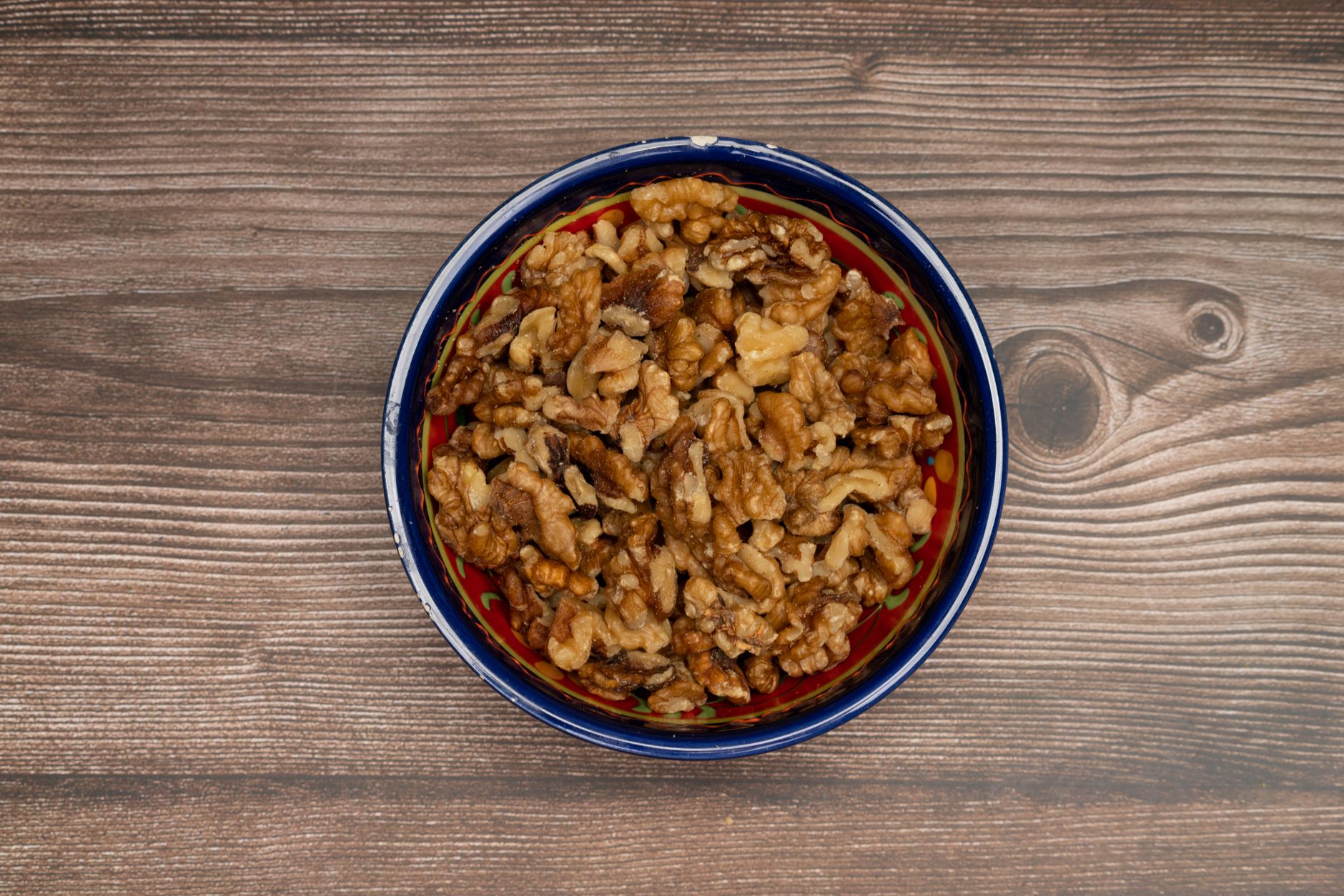
- Nuts and seeds: Flaxseed, chia seeds and psyllium husk are true fibre powerhouses. Just one tablespoon of chia seeds provides roughly 5 grams. Almonds, walnuts and hazelnuts are worth adding too.
- Potatoes (cooked and cooled): As they cool, resistant starch forms, a type of fibre that serves as food for your gut bacteria.
Practical tips: how to boost your fibre intake in everyday life
Theory is one thing, real life is another. These concrete strategies help you hit the 30 grams a day without turning your meal plan completely upside down:
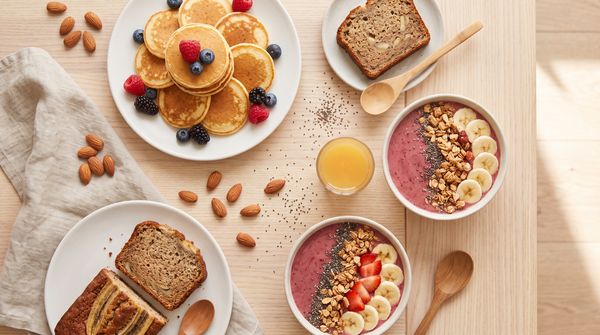
- Start your day with wholegrains: Swap cornflakes for oats or unsweetened muesli. Combine a bowl of porridge with a tablespoon of flaxseed and a handful of berries and you've already reached 10 to 12 grams of fibre before you leave the house.
- Replace white bread with wholemeal: This is one of the simplest and most effective changes you can make. Wholemeal bread contains three to four times as much fibre as white toast.
- Work pulses in regularly: Aim for at least three times a week. Red lentils cook quickly and blend easily into soups, curries or sauces without changing the flavour much.
- Make vegetables the star: Instead of treating veg as a side, build it into the base of your meals. A colourful salad, a veg-packed wrap or a hearty stew all do the job.
- Choose snacks wisely: Instead of crisps or biscuits, reach for a handful of nuts, some raw veg with hummus or a piece of fruit. Hummus itself, made from chickpeas, is a good source of fibre too.
- Add seeds and grains everywhere: Chia seeds or ground flaxseed are easy to stir into yoghurt, smoothies, sauces or baked goods without affecting the taste.
- Increase slowly and drink plenty: Build up your fibre intake gradually so your gut can adjust. And drink enough water (at least 1.5 to 2 litres a day), because fibre needs fluid to swell and do its work.
Common mistakes and how to avoid them
With fibre, as with most things, too much too fast can be uncomfortable. If you drastically ramp up your intake overnight, you risk bloating, cramps and an unpleasant feeling of fullness. That's because your gut bacteria need time to adapt to the new fuel.
So take it step by step and build up the amount over two to four weeks. Make sure you drink enough fluid, too, since insoluble fibre without enough water can have the opposite effect and lead to constipation.
Another common mistake: relying on fibre supplements instead of real food means missing out on the valuable companions that come with whole foods, like vitamins, minerals and plant compounds. Supplements such as psyllium husk can be a useful addition, but they're no substitute for a balanced, plant-forward diet.
A simple day plan for 30 grams of fibre
Here's what a fibre-rich day might look like in practice:
- Breakfast: Oat porridge (50 g oats, about 5 g) with a handful of mixed berries (about 3 g) and a tablespoon of chia seeds (about 5 g). Total: around 13 grams.
- Lunch: Wholewheat pasta (100 g dried, about 8 g) with tomato sauce and a serving of lentils or chickpeas (about 5 g). Total: around 13 grams.
- Snack: A handful of walnuts (about 2 g) and an apple with the skin on (about 4 g). Total: around 6 grams.
- Dinner: Vegetable soup with beans and two slices of wholemeal bread (about 8 to 10 g). Total: around 8 grams.
Altogether that adds up to a good 40 grams of fibre, well above the minimum recommendation and without much effort at all. The amounts are approximate and can vary depending on the products you use.
Frequently asked questions
How much fibre do I need each day?
Most health authorities recommend adults get at least 30 grams of fibre a day, with children needing less depending on age. In reality, most people fall short and only manage around 18 to 20 grams daily.
Is fibre found in meat or dairy?
No. Fibre is found exclusively in plant foods, such as vegetables, fruit, pulses, wholegrains, nuts and seeds. Animal products contain no fibre at all.
Can I eat too much fibre?
With a normal diet, getting too much is very unlikely. But if you increase your intake too quickly, you may experience temporary bloating or stomach discomfort. Build up gradually and drink plenty of water. If you have a digestive condition, talk to your doctor about the right amount for you.
Does fibre help with weight loss?
Fibre can noticeably prolong the feeling of fullness, which may help you eat less overall. It's not a magic bullet, though: your whole eating pattern is what counts. Choosing more fibre-rich and fewer highly processed foods often means taking in fewer calories without trying.
What is psyllium husk and who is it for?
Psyllium husk is the ground husk of the seeds of the Plantago ovata plant. It's extremely high in soluble fibre and swells up significantly. It may offer support with constipation or an irritable bowel. Always take it with plenty of water, and if you have swallowing difficulties or certain pre-existing conditions, check with your doctor first.
Note: This article is for general information only. It does not constitute medical advice and is no substitute for diagnosis or treatment by doctors or qualified nutrition professionals. If you have any health concerns, please see your doctor.