



Protein for Weight Loss: How Much You Really Need
Protein is the single most important nutrient when you're trying to lose weight. Here's how much you need each day, which sources work best and how to boost your intake with ease.

Whether you're counting calories, going low-carb or trying intermittent fasting, almost every successful weight-loss approach has one thing in common: getting enough protein. Protein keeps you full for longer, helps protect your muscle and gives your metabolism a gentle nudge. But how much protein you actually need to lose weight, and how to hit that target day to day, leaves a lot of people guessing. This guide gives you clear answers.
Here's the good news up front: with the right foods and a little planning, you can comfortably meet your protein needs through normal meals, no powders or shakes required.
Why protein matters so much for weight loss
Protein does far more in the body than just build muscle. When it comes to losing weight, three qualities really stand out:
- Strong effect on fullness: Protein encourages the release of fullness hormones like GLP-1 and PYY while lowering levels of the hunger hormone ghrelin. As a result, you tend to eat less without having to consciously hold back.
- High thermic effect: Your body uses roughly 25 to 30 percent of the calories from protein just to digest it, compared with only 5 to 10 percent for carbohydrates. In practice, protein delivers fewer usable calories than the number on the label suggests.
- Preserving muscle in a calorie deficit: Eating less can put you at risk of losing muscle. A high protein intake signals your body to hold on to muscle and draw on fat stores instead.
Research also suggests that people following a protein-rich diet tend to maintain their metabolic rate better and are less likely to hit the dreaded yo-yo effect after a diet.
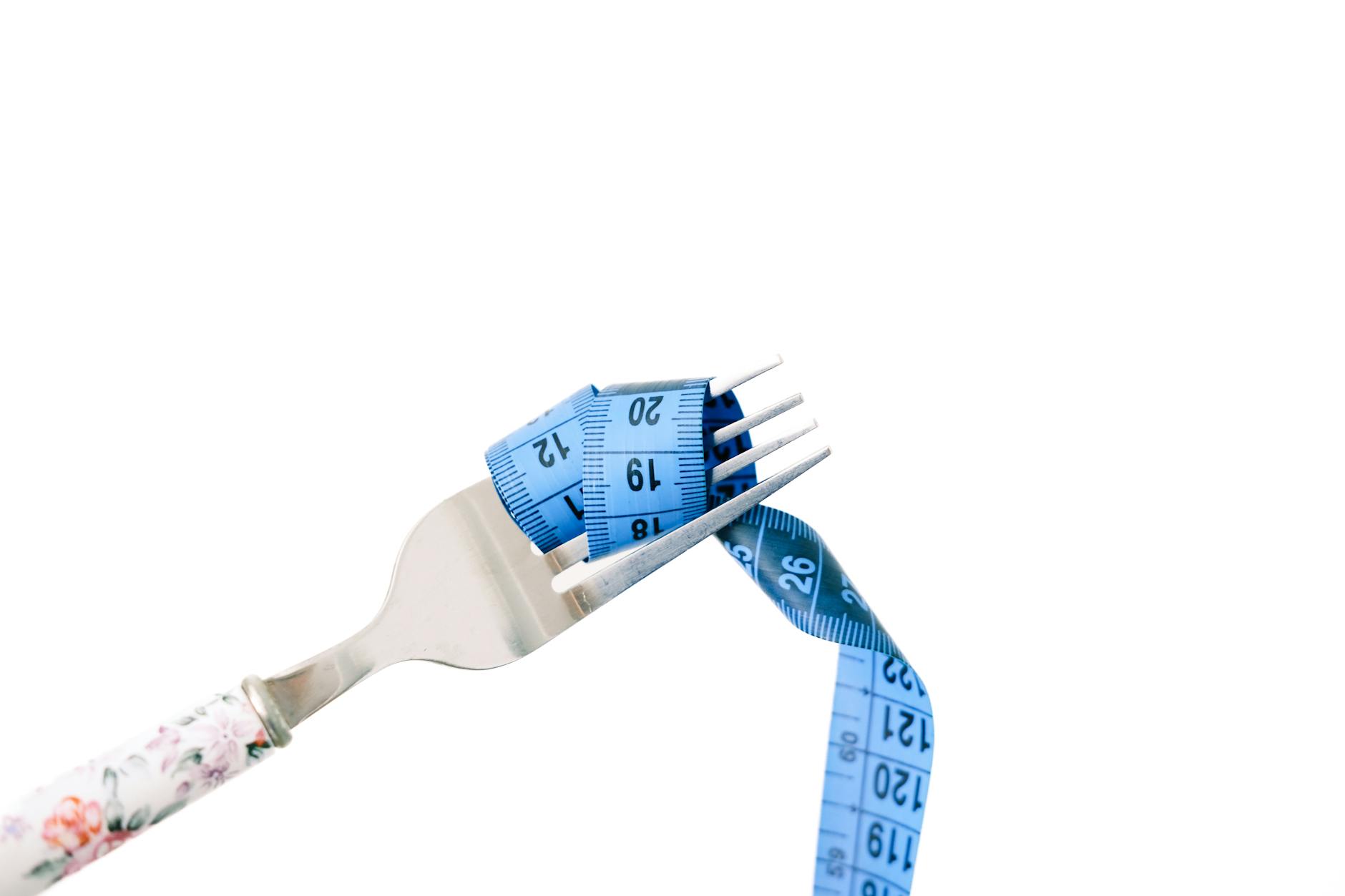
How much protein you need each day to lose weight
Official guidelines suggest around 0.8 grams of protein per kilogram of body weight per day for healthy adults. When you're trying to lose weight, though, that amount usually isn't enough. Current research and nutrition experts point to significantly more when you're in a calorie deficit:
- Minimum to preserve muscle: 1.2 to 1.6 g per kg of body weight
- Optimal for weight loss: 1.6 to 2.2 g per kg of body weight
- With intense training: up to 2.4 g per kg of body weight
In practical terms, a person weighing 75 kilograms who wants to lose weight should aim for somewhere between 120 and 165 grams of protein a day. It's best to spread this across three or four meals, since your body can only make the most of about 30 to 40 grams of protein per meal for muscle maintenance.
Worth noting: If you're carrying a lot of excess weight, base your needs on your target weight or your lean body mass rather than your current weight. That way you avoid overestimating.

The best protein sources at a glance
Not all protein sources are equal. What matters is biological value, in other words how well your body can turn dietary protein into its own protein. Here are the best sources for everyday meals:
- Chicken breast (100 g): about 31 g protein, very low in fat and endlessly versatile
- Low-fat quark (200 g): about 24 g protein, ideal for breakfast or a snack
- Cooked lentils (200 g): about 18 g protein, high in fibre and plant-based
- Eggs (2): about 12 g protein, high biological value and quick to prepare
- Salmon (150 g): about 30 g protein, plus valuable omega-3 fatty acids
- Greek yoghurt (150 g): about 13 g protein, handy on the go
- Tempeh (100 g): about 19 g protein, fermented soybeans that are very easy to digest
- Skyr (150 g): about 17 g protein, low in calories, creamy and filling
Combine animal and plant sources to get a broad amino acid profile. Pairing eggs with potatoes, for example, gives you a particularly high biological value.
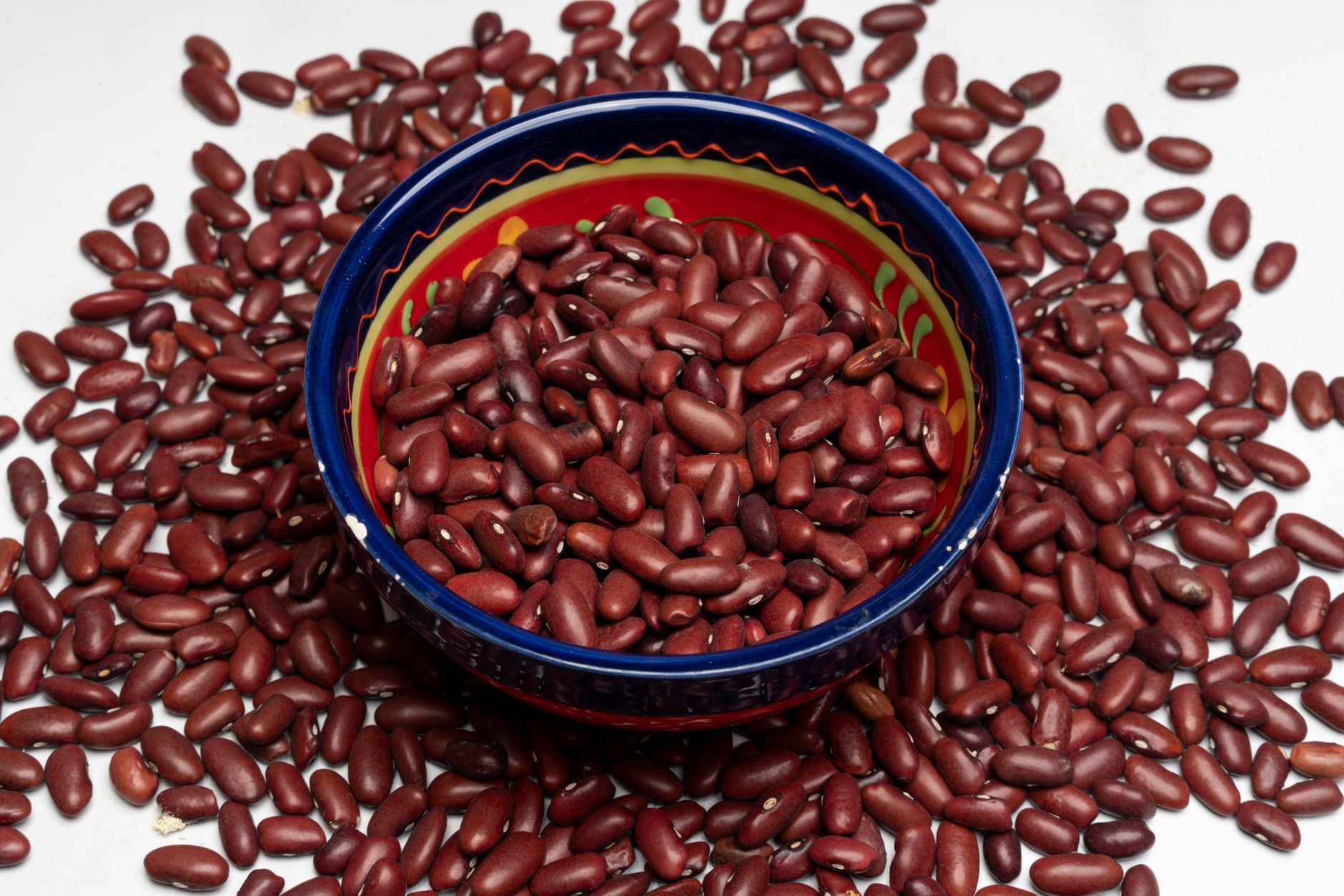
Common mistakes with protein intake
Plenty of people underestimate how much protein they need, or slip up when they try to eat more of it. Here are the mistakes to watch out for:
- Too little protein at breakfast: If your mornings are all cereal or toast, you often miss out on protein at the very first meal of the day. Reach for eggs, quark or yoghurt with nuts instead.
- Protein only in the evening: One big protein-heavy meal is less effective than three or four evenly spread throughout the day. Divide your daily amount on purpose.
- Processed protein products instead of real food: Protein bars and shakes can top things up, but they don't replace the nutrient density of whole foods. Many bars also come loaded with sugar and additives.
- Increasing too much at once: A sudden jump in protein can upset your digestion. Build up the amount gradually over one to two weeks.
- Forgetting fluids: A higher protein intake increases how much fluid you need. Aim to drink at least 2 litres of water a day.
How to hit your protein target day to day
Theory is fine, but practice is better. These simple, everyday tips will help you reach your protein goals without much fuss:
- Start the day high in protein: A breakfast of 200 g low-fat quark, a handful of berries and 30 g of nuts already delivers around 27 g of protein.
- Prep your protein sources: Cook a batch of pulses at the weekend, roast some chicken breast and boil a few eggs. That way you've got quick options all week.
- Snack smart: Swap crisps and biscuits for cottage cheese with cucumber, edamame or a few slices of turkey breast.
- Top up your meals: Add a spoonful or two of hemp seeds or skyr to smoothies. Stir low-fat quark into sauces or soups. Use pulses as a side instead of white bread.
- Make dinner protein-focused: Fish, poultry, tofu or pulses with plenty of vegetables are low in calories and keep you full until morning.
A sample day with around 150 g of protein might look like this: breakfast with quark and eggs (35 g), lunch with chicken and lentils (55 g), a skyr snack (17 g) and dinner with salmon and vegetables (43 g).
Can you have too much protein? Safety and limits
A common worry is whether too much protein harms the kidneys. For healthy people with no pre-existing kidney conditions, current research finds no evidence that a protein intake of up to 2.5 g per kg of body weight is harmful. If you already have a kidney condition, though, it's essential to check with your doctor before increasing your protein intake.
With a high protein intake, keep these points in mind too:
- Stay balanced: Protein should complement carbohydrates and healthy fats, not replace them entirely. Fibre, vitamins and minerals remain essential.
- Quality over quantity: Large amounts of processed meat aren't a great idea despite the protein content. Favour unprocessed, nutrient-rich sources.
- Don't lose sight of calories: Protein isn't a free pass. If you eat very large amounts of fatty protein sources, you can still end up without a calorie deficit.
The bottom line: a protein-rich diet is not only safe for most healthy people, it also gives you a clear edge when losing weight. Use the guide values above as a starting point and adjust them to your own activity level.
Frequently asked questions
How many grams of protein per day is ideal for weight loss?
For most people, 1.6 to 2.2 grams of protein per kilogram of body weight a day is optimal for losing weight. At 75 kg that's roughly 120 to 165 grams a day, spread across three or four meals.
Can I meet my protein needs without meat?
Yes, absolutely. Pulses like lentils, chickpeas and beans, soy foods like tofu and tempeh, dairy such as quark and skyr, and eggs all provide plenty of protein. Combine different plant sources to cover all the essential amino acids.
Do I need protein powder to get enough protein?
Usually not. With a well-planned diet based on whole foods, you can easily meet your needs. Protein powder can be handy when you're short on time or on the go, but it's never a must.
When is the best time to eat protein?
The most effective approach is to spread your protein evenly across the day. Start with a protein-rich breakfast, build in a protein-focused lunch and round things off with a protein-rich dinner. That supports muscle maintenance and fullness around the clock.
Does a lot of protein harm your kidneys?
For healthy people with no kidney conditions, an intake of up to 2.5 g per kg of body weight is considered safe according to current research. If you have any kidney problems, always seek medical advice before changing your diet.
Note: This article is for general information only. It does not constitute medical advice and is no substitute for diagnosis or treatment by doctors or qualified nutrition professionals. If you have any health concerns, please see your doctor.