


2026 Trend Check: Which Nutrition Trends Are Actually Legit, and Where You Guide as a Coach
2026 trend check: fibermaxxing, biohacking, extreme fasting. What's genuinely credible and what's just cleverly marketed? We sort the nutrition trends for you and show where you guide as a coach. 🌱

New year, new trends, and with them plenty of confusion. Fibermaxxing, epi-food, cycle-based eating, biohacking. It all sounds exciting, but which of it is genuinely grounded and which is just cleverly marketed? That is the question so many people are asking right now. And that is exactly where you come in as a nutrition coach.
We have reviewed the current trends for 2026 and sorted them for you. Into what is credible and well supported by science, what is exciting but needs explaining, and the grey areas that call for real guidance. That way you can give your clients direction without jumping on every hype.
The credible trends of 2026: solid ground here
The good news first: some of the biggest trends this year are genuinely well supported. Here you can guide and motivate with a clear conscience.
1. Plant-forward and flexitarian
Less meat, more plants. Flexitarian, vegetarian and vegan ways of eating have hit the mainstream in 2026. The motivations behind them are sustainability, protecting the climate and environment, and animal welfare. From a professional standpoint, plant-forward eating, including a conscious reduction in meat, is widely seen as a sensible trend. It is an approach where you can encourage more variety and enjoyment without hesitation.
2. Fibre-rich eating (fibermaxxing)
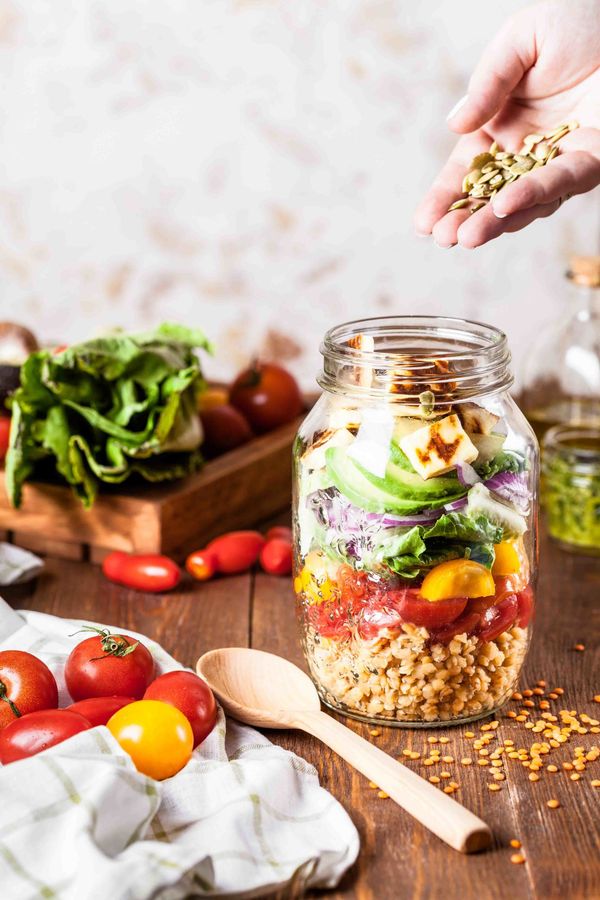
Fibre is the new macronutrient star of 2026. Legumes, wholegrains, nuts and seeds are moving centre stage. Nutrition guidelines commonly recommend around 30 grams of fibre a day. The trend is well supported by science and matters for gut health. A small note: the slick name fibermaxxing is marketing-driven, but the substance behind it is solid.
3. Protein-rich eating
Protein-rich products have left their niche behind. In 2025 they grew sales by 27.4 percent and are becoming an everyday staple. This is where your input pays off, so clients don't reach blindly for every protein snack but integrate them sensibly.
4. Functional foods with proven benefits
Functional Food 2.0 puts the spotlight on foods with a demonstrable positive effect on digestion, the microbiome, immune support or energy balance. Probiotics, fibre-rich and fortified products are part of this. What matters is that they sit within an overall balanced eating pattern.
Exciting, but in need of explanation
Not everything that sounds new is automatically questionable. Some concepts simply need your professional context.
- Personalised nutrition: Tailoring food to individual needs, health and lifestyle is seen as a key trend for the future. Here your personal guidance is worth its weight in gold.
- Clean eating and intuitive eating: Minimally processed foods, transparent sourcing, moving away from rigid rules towards hunger and fullness cues. Both fit well with a relaxed, enjoyment-focused approach to food.
- Food as medicine: Preventive approaches such as the MIND diet (Mediterranean plus DASH) or anti-inflammatory eating are on the rise. Gut-focused approaches such as fermented protein or low-FODMAP are growing strongly too.
- Local superfoods and plant-based fine dining: Homegrown alternatives to exotic superfoods and plant-based cooking at the highest level show that enjoyment and sustainability go hand in hand.
Grey areas that call for careful guidance
And then there are trends where you should take a closer look. Not because they are inherently bad, but because they need critical evaluation.
- Extreme diets and heavily restricted fasting: 2026 is looking more like the year of balance, with extreme diets stepping into the background. Even so, alternate-day fasting, for example, is growing. Especially with older people or existing health conditions, this needs your careful assessment.
- Liquid meals and meal replacements: From niche product to mass market with double-digit growth rates. Convenient and quick, sure. But nutrient density and how they fit into everyday life deserve a critical look.
- Influencer and corporate-driven trends: Epi-food, biohacking and certain functional products are heavily pushed by big brands and influencers. The rule of thumb: check whether a trend is backed by science and makes sense for health before following it.
- Highly specialised trend diets: Cycle-based eating or the Nordic diet show growth rates between plus 55 and plus 59 percent. Not automatically questionable, but the evidence should be checked case by case.
Why your role matters more than ever in 2026
Price awareness, time pressure and the wish to eat well are shaping shopping habits across Europe. That drives convenience products, ready-to-eat snacks and liquid meals. At the same time, eating is becoming more social again, think sharing food, dishes placed in the middle of the table to share.
Amid all these signals, many people feel overwhelmed. They need someone who separates hype from substance and turns it into a path that works in everyday life. In short: they need you.
Your job in 2026 is not to nod along to every trend or dismiss it outright. It is to support in an evidence-based way where it makes sense, and to give critical context where the marketing is louder than the research.
Get seen as a coach
This is exactly why more and more people are actively looking for qualified guidance. If you are a nutrition coach, get listed as a verified member on eatmondo. That way the people seeking direction can find you right when they need you. Get in touch, we would love to hear from you.
Frequently asked questions
Which 2026 nutrition trends are best supported by science?
The best-supported approaches are plant-forward, meat-reduced eating including flexitarianism, and fibre-rich eating. Nutrition guidelines commonly recommend around 30 grams of fibre a day to support gut health.
Is fibermaxxing just a marketing term?
The name is very trend-driven, but the substance behind it is solid. Fibre-rich eating is well supported by science and matters for gut health, no matter how trendy the label sounds.
Which trends should coaches be especially cautious about?
Take particular care with extreme fasting formats such as alternate-day fasting, highly processed liquid meals, and influencer or corporate-driven concepts such as biohacking or epi-food. Here it pays to weigh the evidence, the risks and who they actually suit.
Are niche concepts like cycle-based eating unreliable?
Not automatically. Cycle-based eating or the Nordic diet are growing fast, but they need scientific context and a case-by-case check of the evidence.
How can I get seen as a nutrition coach on eatmondo?
You can get listed as a verified member so people looking for qualified guidance can find you. Just send us a message, we would love to hear from you.
Frequently asked questions
Which 2026 nutrition trends are best supported by science?
The best-supported approaches are plant-forward, meat-reduced eating including flexitarianism, and fibre-rich eating. Nutrition guidelines commonly recommend around 30 grams of fibre a day to support gut health.
Is fibermaxxing just a marketing term?
The name is very trend-driven, but the substance behind it is solid. Fibre-rich eating is well supported by science and matters for gut health, no matter how trendy the label sounds.
Which trends should coaches be especially cautious about?
Take particular care with extreme fasting formats such as alternate-day fasting, highly processed liquid meals, and influencer or corporate-driven concepts such as biohacking or epi-food. Here it pays to weigh the evidence, the risks and who they actually suit.
Are niche concepts like cycle-based eating unreliable?
Not automatically. Cycle-based eating or the Nordic diet are growing fast, but they need scientific context and a case-by-case check of the evidence.
How can I get seen as a nutrition coach on eatmondo?
You can get listed as a verified member so people looking for qualified guidance can find you. Just send us a message, we would love to hear from you.
Note: This article is for general information only. It does not constitute medical advice and is no substitute for diagnosis or treatment by doctors or qualified nutrition professionals. If you have any health concerns, please see your doctor.