



Classic Vinaigrette

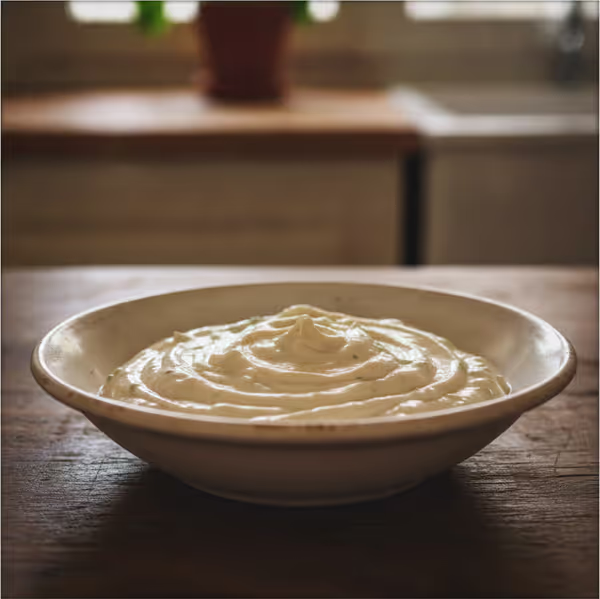
A good vinaigrette is the heart of every great salad. This master recipe brings together white wine vinegar and a thoughtful blend of olive, walnut, rapeseed and linseed oils to make a creamy, aromatic dressing. Ready in just a few minutes, it keeps for weeks in the fridge, making it the perfect stash for anyone who loves fresh salad every day. With one easy tweak into a yogurt dressing, it becomes a true all-rounder too.
Ingredients
- 6 tbsp white wine vinegar
- 1.5 tsp Dijon mustard
- 6 tbsp olive oil, cold-pressed
- 2 tbsp walnut oil
- 6 tbsp rapeseed oil, or canola oil
- 1 tbsp linseed oil, also sold as flaxseed oil
- salt and freshly ground pepper
The ingredient amounts above scale with your choice. The value per serving stays the same, while the total in the pot grows with the number of servings.
All nutrition values side by side
| Nutrient | per serving (estimate) | Total for 12 Servings |
|---|---|---|
| Calories | 120 kcal | 1,440 kcal |
| Fat | 13 g | 156 g |
How this is calculated
Target amount = ingredient amount × target servings ÷ base servings. The result is then rounded for kitchen use: from 100 g or ml to the nearest 5, between 1 and 99 to the nearest 1, pieces and spoons to half units, amounts below one unit to quarters, thirds or halves. Teaspoons and tablespoons also go down to an eighth, kilograms and litres stay finer.
Total = value per serving × target servings. The value per serving is unchanged, because ingredient amount and serving count change by the same factor.
Sources
- Regulation (EU) No 1169/2011 (FIC), Art. 32 and 33: nutrition values per 100 g or 100 ml, additionally allowed per portion.
- European Commission, Guidance document for competent authorities for the control of compliance with EU food law, setting of tolerances for nutrient values declared on a label, December 2012.
Nutrition values are estimates from the recipe record, not laboratory results. Even for checked labels the EU sets tolerances: for fat, protein and carbohydrates 20 percent in the range of 10 to 40 g per 100 g, and 2 g per 100 g below that. Home cooking varies more, because variety, size and cooking loss of the ingredients differ. Kitchen rounding also shifts the total slightly against the plain rule of three. Anyone who has to keep amounts exact for medical reasons, for example during a nutrition therapy prescribed by a doctor, should discuss them with a doctor or a registered dietitian. Your serving count is calculated in your browser only, it is neither stored nor transmitted.
Instructions
- Add the white wine vinegar, Dijon mustard, a pinch of salt and some freshly ground pepper to a bowl and whisk together well.
- Gradually drizzle in the oils (olive, walnut, rapeseed and linseed) in a thin, steady stream, whisking constantly until the mixture turns creamy and emulsified.
- Pour the finished vinaigrette into a small bottle or a screw-top jar.
- Store it sealed in the fridge, where it will keep for 2 to 3 weeks. Shake well before each use.
- Yogurt dressing variation: Just before serving, stir the finished vinaigrette together with yogurt, kefir or buttermilk, using about 2 tbsp per portion of vinaigrette. Add the grated zest of a lemon or orange and a handful of fresh herbs if you like. Stir in the fresh ingredients only just before serving.
Cooked it? Tell us how it turned out.
Did you like it? Rate this recipe
Nutrition facts per serving (estimate)
| Calories | 120 kcal |
|---|---|
| Carbohydrates | 0 g |
| Protein | 0 g |
| Fat | 13 g |
| Fibre | 0 g |
| of which sugar | 0 g |
Frequently asked questions
How long does homemade vinaigrette keep?
Stored sealed in the fridge, it keeps for 2 to 3 weeks. Shake well before using.
Why does my vinaigrette separate?
Oil and vinegar only bind together temporarily. Shaking before use emulsifies the ingredients again, and the mustard acts as a natural emulsifier.
Can I use this vinaigrette as a yogurt dressing?
Yes. Just before serving, stir in 2 tbsp of yogurt, kefir or buttermilk per portion of vinaigrette. Finish with a little lemon zest and fresh herbs if you like.
Which oil works best for a vinaigrette?
This recipe combines cold-pressed olive, walnut, rapeseed and linseed oils for a balanced flavour and a good mix of fatty acids.


Comments
No comments yet. Be the first to write one!
Thanks for your comment! We will review it and publish it shortly.