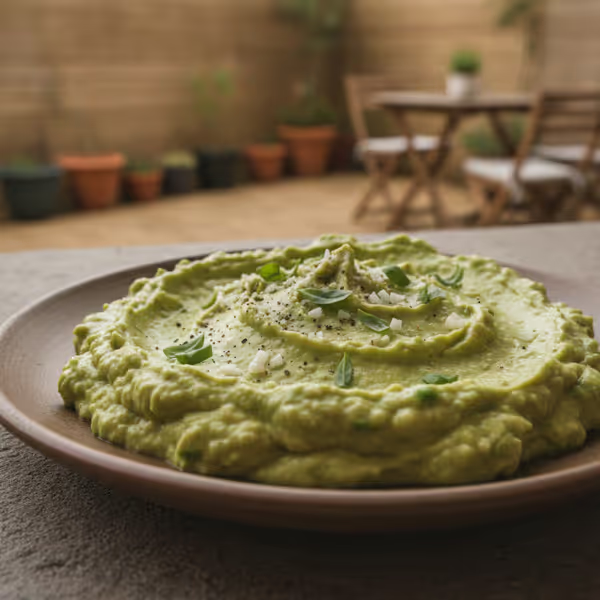



Iogurte com Tomate e Rúcula
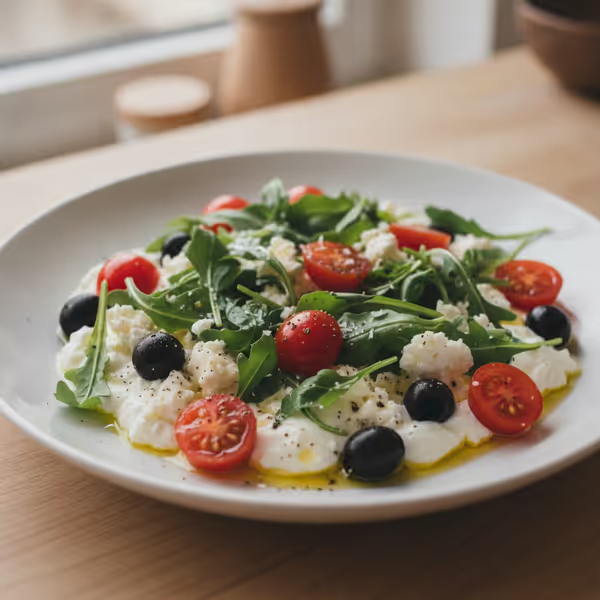
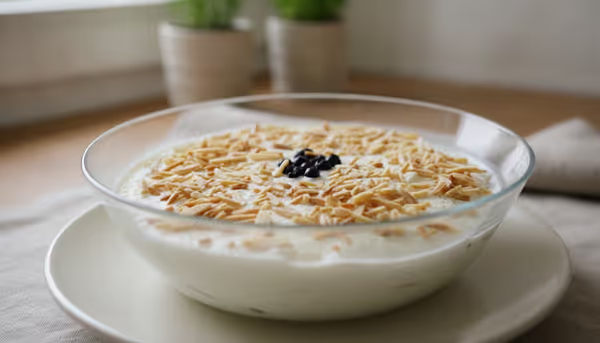
Este iogurte cremoso com tomate, rúcula e queijo fresco de cabra fica pronto em poucos minutos e sacia sem pesar no estômago. O azeite e um fio de aceto balsâmico dão-lhe um toque delicado e saboroso. Especialmente prático: basta colocá-lo num frasco com tampa e levá-lo consigo para o trabalho. Assim tem sempre à mão uma refeição fresca e leve.
Ingredientes
- 150 g iogurte natural
- 1 c. de sopa queijo fresco de cabra
- 1 c. de sopa azeite
- 6 folhas rúcula
- 1 tomate, maduro
- 4 azeitonas pretas
- sal e pimenta, pimenta moída na hora
- 1 c. de chá aceto balsâmico
The ingredient amounts above scale with your choice. The value per serving stays the same, while the total in the pot grows with the number of servings.
All nutrition values side by side
| Nutrient | por porção (estimativa) | Total for 1 Porções |
|---|---|---|
| Calorias | 230 kcal | 230 kcal |
| Hidratos de carbono | 10 g | 10 g |
| Proteína | 8 g | 8 g |
| Gordura | 17 g | 17 g |
How this is calculated
Target amount = ingredient amount × target servings ÷ base servings. The result is then rounded for kitchen use: from 100 g or ml to the nearest 5, between 1 and 99 to the nearest 1, pieces and spoons to half units, amounts below one unit to quarters, thirds or halves. Teaspoons and tablespoons also go down to an eighth, kilograms and litres stay finer.
Total = value per serving × target servings. The value per serving is unchanged, because ingredient amount and serving count change by the same factor.
Sources
- Regulation (EU) No 1169/2011 (FIC), Art. 32 and 33: nutrition values per 100 g or 100 ml, additionally allowed per portion.
- European Commission, Guidance document for competent authorities for the control of compliance with EU food law, setting of tolerances for nutrient values declared on a label, December 2012.
Nutrition values are estimates from the recipe record, not laboratory results. Even for checked labels the EU sets tolerances: for fat, protein and carbohydrates 20 percent in the range of 10 to 40 g per 100 g, and 2 g per 100 g below that. Home cooking varies more, because variety, size and cooking loss of the ingredients differ. Kitchen rounding also shifts the total slightly against the plain rule of three. Anyone who has to keep amounts exact for medical reasons, for example during a nutrition therapy prescribed by a doctor, should discuss them with a doctor or a registered dietitian. Your serving count is calculated in your browser only, it is neither stored nor transmitted.
Modo de preparação
- Numa taça, misture o iogurte natural com o queijo fresco de cabra e o azeite, batendo com umas varas até obter um creme.
- Lave o tomate, retire as sementes e corte a polpa em cubos pequenos.
- Corte as azeitonas em pedaços pequenos.
- Lave as folhas de rúcula e pique-as finamente.
- Envolva o tomate, as azeitonas e a rúcula na mistura de iogurte.
- Tempere o iogurte com sal, pimenta e aceto balsâmico e sirva. Para levar consigo, coloque a mistura pronta num frasco com tampa. Sugestão: como variação, pode substituir o iogurte natural por requeijão granulado.
Já cozinhou? Conte como ficou.
Gostou? Avalie a receita
Valores nutricionais por porção (estimativa)
| Calorias | 230 kcal |
|---|---|
| Hidratos de carbono | 10 g |
| Proteína | 8 g |
| Gordura | 17 g |
Perguntas frequentes
Posso substituir o iogurte natural?
Sim, o requeijão granulado funciona muito bem como alternativa e torna o lanche ainda mais rico em proteína.
Quanto tempo se conserva o iogurte com tomate e rúcula?
Num frasco com tampa e refrigerado, conserva-se bem até um dia. Acabado de preparar é quando sabe melhor.
Esta receita é mesmo sem glúten?
Todos os ingredientes utilizados são naturalmente sem glúten. Ainda assim, verifique a rotulagem sem glúten nos produtos embalados, como o iogurte e as azeitonas.
Esta receita é adequada a uma alimentação baixa em hidratos de carbono?
Sim, com apenas 10 g de hidratos de carbono por dose, este iogurte encaixa bem numa alimentação com poucos hidratos.