


Macronutrients Made Simple: Carbs, Protein and Fat
Carbs, protein and fat: these three macronutrients are the building blocks of every diet. Here's what they do, where to find them and how to combine them well.

Whether you're losing weight, building muscle or simply eating well day to day, macronutrients come up everywhere. But what's really behind the three big energy providers, carbohydrates, protein and fat? And why does your body need all three? This guide explains the basics in plain language, gives you concrete food examples and offers practical rules of thumb, without complicated diet rules.
Macronutrients are called that because your body needs them in large amounts. In contrast, micronutrients like vitamins and minerals are needed only in small doses, but they're just as indispensable. Each macronutrient has specific jobs in your metabolism and delivers a certain amount of energy per gram.
What are macronutrients, exactly?
Macronutrients are the three main components of our food that supply the body with energy. Their energy density differs noticeably:
- Carbohydrates: 4 kilocalories (kcal) per gram
- Protein: 4 kcal per gram
- Fat: 9 kcal per gram
So fat delivers more than twice as much energy as carbs or protein. That makes it a very efficient energy store, but it also explains why it's viewed critically in many diets, even though it's absolutely essential for the body. General nutrition guidelines for healthy adults suggest a split of roughly 50 to 55 per cent carbohydrates, 15 to 20 per cent protein and 30 to 35 per cent fat of your daily calorie intake. These are guide values: depending on your lifestyle, age and goals, the ideal split can vary from person to person.

Carbohydrates: the main energy source for brain and muscles
Carbohydrates are your body's preferred fuel, especially for the brain and working muscles. Chemically, they're made of sugar building blocks, which are grouped into three categories depending on chain length:
- Simple sugars (monosaccharides): glucose, fructose. They pass into the blood quickly and provide fast energy, for example from table sugar or fruit juice.
- Double sugars (disaccharides): sucrose (table sugar), lactose (milk sugar). Also quickly available.
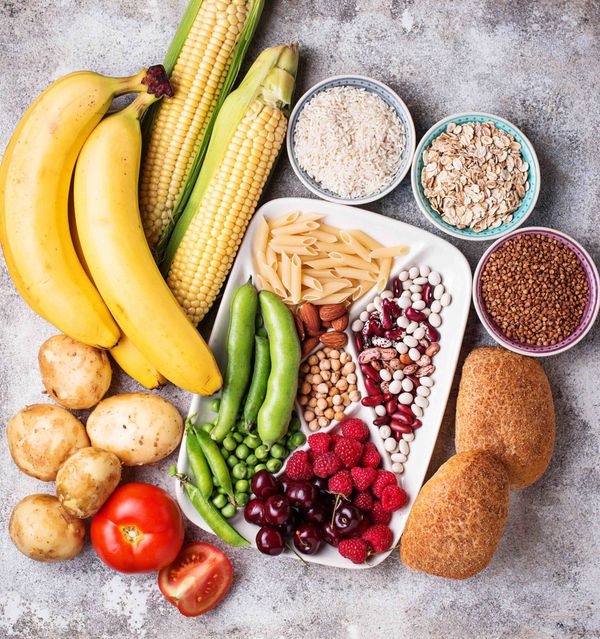
- Complex sugars (polysaccharides): starch and fibre. They're broken down slowly and keep blood sugar more stable.
For everyday eating, the quality of your carbohydrates matters most. Wholegrain foods, pulses, oats, quinoa, potatoes and vegetables deliver complex carbs along with fibre, vitamins and minerals. They keep you full for longer and help avoid sharp blood sugar swings. White bread, fizzy drinks, sweets and heavily processed snacks, on the other hand, mostly contain fast sugars with little nutritional value.
Fibre is technically a carbohydrate too, but it provides barely any usable energy. Even so, it's essential: it supports healthy digestion, feeds your gut bacteria and can help keep cholesterol within a normal range. It's a good idea to aim for at least 30 grams of fibre a day.
Protein: a building block for muscles, hormones and the immune system
Protein is far more than just a tool for building muscle. Proteins are made of amino acids, of which 20 different types are known. Nine of them are essential: the body can't produce them itself and has to get them from food. Proteins take on numerous jobs in the body:
- Building and maintaining muscle tissue, organs, skin, hair and nails
- Forming enzymes that control every metabolic process
- Producing hormones such as insulin or thyroid hormones
- Supporting the immune system through antibodies
- Transporting oxygen (haemoglobin) and other substances in the blood
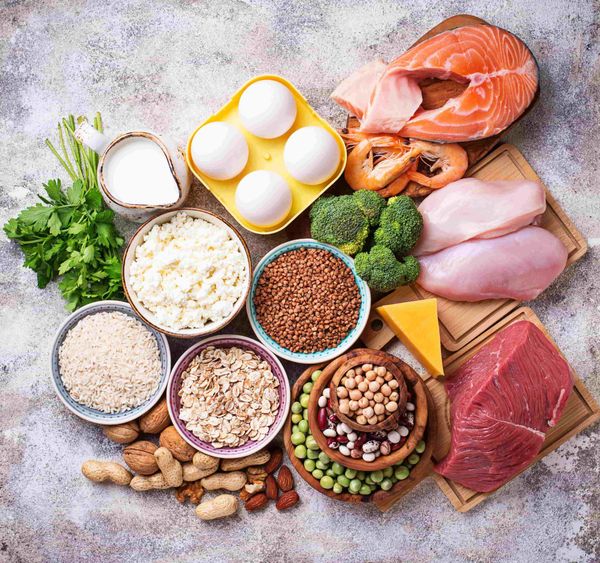
For healthy adults, a common recommendation is around 0.8 grams of protein per kilogram of body weight per day. For people who are physically active, older adults or those who are pregnant, the need can rise to 1.2 to 2.0 grams per kilogram. Good protein sources include:
- Animal-based: eggs, lean meat, fish, low-fat quark, cottage cheese, skyr
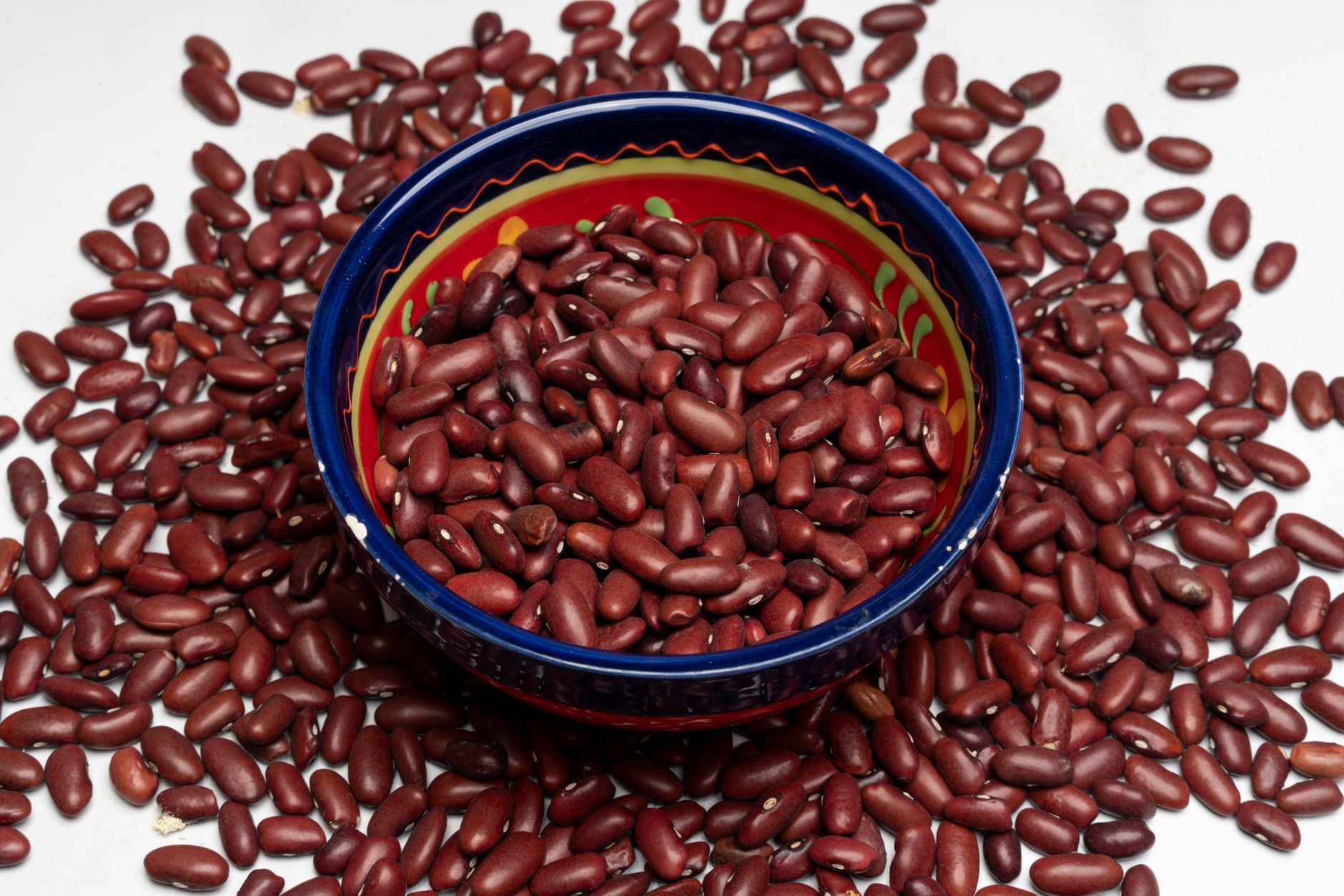
- Plant-based: lentils, chickpeas, beans, tofu, tempeh, edamame, nuts, hemp seeds
If you eat a plant-based diet, it's best to combine different protein sources, for example pulses with grains, to cover all the essential amino acids.

Fat: essential, not the enemy
Fat had a bad reputation in nutrition debates for decades. In reality, it's absolutely indispensable for the body. Fats serve crucial functions:
- An energy provider and long-term energy store
- Absorption of fat-soluble vitamins (A, D, E, K)
- A building block for cell membranes and the brain (which is roughly 60 per cent fat)
- Production of hormones, for example sex hormones
- Protection of the internal organs and insulation against the cold
What matters is the type of fat. Not all fats are the same:
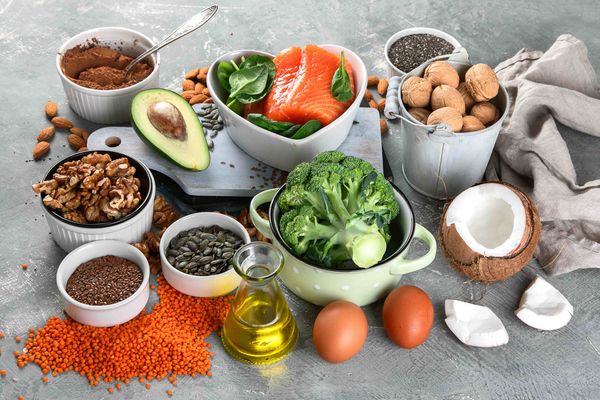
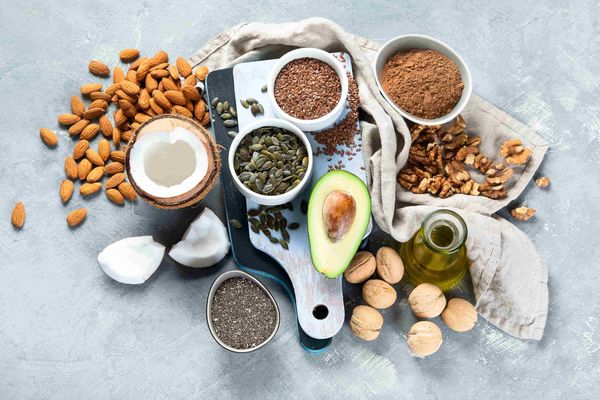
- Unsaturated fatty acids (monounsaturated and polyunsaturated): found in olive oil, rapeseed oil, avocados, nuts, salmon, mackerel and flaxseed. They're considered heart-friendly and should make up the bulk of your fat intake.
- Saturated fatty acids: found in butter, fatty meat, cheese, coconut fat and palm oil. Enjoyed in moderation they're not a problem, but too much can have an unfavourable effect on your blood fat levels.
- Trans fats: created when fats are industrially hardened. They turn up in some ready-made products, fast food and baked goods, and are best avoided as much as possible.
Omega-3 fatty acids are especially valuable polyunsaturated fats. Oily sea fish such as salmon, herring or mackerel twice a week, or plant sources like flaxseed oil and walnuts, can help you meet your needs.
Macronutrients in everyday life: how to put them into practice
Theory is nice, but what does a balanced macronutrient split actually look like on the plate? A simple model to guide you is the plate method:
- Half the plate: vegetables and fruit (providing micronutrients, fibre and little energy)
- A quarter of the plate: wholegrains, potatoes or pulses (carbs and protein)
- A quarter of the plate: a protein source such as fish, poultry, tofu or pulses
- Plus a quality oil or a small portion of nuts (healthy fats)
Concrete examples of balanced meals:
- Breakfast: oats with low-fat quark, berries and a tablespoon of ground flaxseed. Delivers complex carbs, protein and omega-3 fatty acids.
- Lunch: lentil curry with wholegrain rice and steamed vegetables, finished with a splash of rapeseed oil. Delivers plant protein, complex carbs and unsaturated fats.
- Dinner: pan-fried salmon with quinoa and a large salad with avocado dressing. All three macronutrients in high quality.
You don't have to count calories or weigh out grams to eat in a balanced way. If you build your meals around whole, minimally processed foods and focus on variety, getting a good supply of all three macronutrients happens almost by itself.
Common misunderstandings about macronutrients
Plenty of myths surround carbs, protein and fat. Here are the most common misconceptions and what's really going on:
- Myth: fat makes you fat. Not automatically. Weight gain comes from a long-term calorie surplus, not from a single nutrient. Quality fats are an important part of a healthy diet.
- Myth: low carb is best for everyone. A reduced-carb diet can be helpful for some people, but it's not a universal key. For endurance athletes or people with high energy needs, enough carbohydrates are especially important.
- Myth: lots of protein harms your kidneys. For people with healthy kidneys, a higher protein intake is considered fine based on current research. Anyone who already has kidney disease, however, should discuss their protein intake with a doctor.
- Myth: all carbs are equally harmful. It comes down to quality. Wholegrains, pulses and vegetables provide valuable carbs, while large amounts of isolated sugar are unfavourable.
- Myth: protein shakes are needed to build muscle. If you meet your protein needs through natural foods, you don't need supplements. Shakes can be handy, but they're not a must.
Individual adjustments: when do your needs differ?
The general recommendations are a good starting point, but some life situations and goals call for an adjusted macronutrient intake:
- Physical activity: endurance athletes need more carbohydrates to fuel their energy needs. Strength athletes benefit from a higher protein intake for muscle building and recovery.
- Weight loss: a moderately higher protein intake can improve feelings of fullness and limit muscle loss during a calorie deficit.
- Pregnancy and breastfeeding: the need for protein, healthy fats (especially omega-3) and total energy rises. Speaking with a healthcare professional is a good idea.
- Older adults: from around age 65, the rate of muscle building declines. A higher protein intake of 1.0 to 1.2 grams per kilogram of body weight can help slow muscle loss (sarcopenia).
- Certain conditions: diabetes, kidney disease or lipid metabolism disorders may require specific adjustments. In these cases, always work with a doctor or a nutrition professional.
As a rule of thumb: if you eat a varied, whole-food diet, you usually make good choices automatically. If you're pursuing specific goals or have particular health considerations, you can benefit from individual nutrition advice.
Frequently asked questions
Which macronutrient is the most important?
All three macronutrients are equally important and serve essential functions in the body. Carbohydrates provide quickly available energy, protein builds and maintains body structures, and fat is essential for hormones, cell membranes and the absorption of fat-soluble vitamins. Focusing on one nutrient at the expense of the others rarely makes sense.
Do I have to count macronutrients to eat healthily?
No, for most people that isn't necessary. If you build your meals around whole, minimally processed foods and include plenty of vegetables, pulses, wholegrains, quality protein sources and healthy fats, you'll usually cover your needs well. Counting calories and tracking macros can be useful for specific athletic goals, but it's not a must.
How much protein do I need per day?
For healthy adults, a common recommendation is around 0.8 grams of protein per kilogram of body weight per day. With regular exercise, during pregnancy or in older age, the need can rise to 1.2 to 2.0 grams per kilogram. In practice, that means roughly 56 grams of protein a day for a 70 kilogram person who doesn't exercise, for example three eggs, 200 grams of low-fat quark and a handful of nuts.
Are carbs at night really bad?
That's a stubborn myth. The body doesn't store fat based on the timing of your carb intake, but on a consistently positive energy balance. Evening carbs can even support recovery and help with sleep. What matters is your overall balance across the day and the quality of the carbs, not the time you eat them.
What's the difference between good and bad fats?
Unsaturated fatty acids, found in olive oil, rapeseed oil, avocados, nuts and oily fish, are considered especially heart-friendly. Saturated fatty acids from butter, cheese or fatty meat are fine in moderation. Trans fats, which can appear in industrially made baked goods and fast food, are best avoided as much as possible, as they can affect your blood fat levels unfavourably.
Note: This article is for general information only. It does not constitute medical advice and is no substitute for diagnosis or treatment by doctors or qualified nutrition professionals. If you have any health concerns, please see your doctor.