


Omega-3 Fatty Acids
Omega-3 fatty acids are among the most valuable nutrients your body can't make on its own. Learn how they work, why the balance with omega-6 matters and which foods to add to your plate.

Omega-3 fatty acids are among the most important nutrients your body can't produce on its own. Here you'll learn how they work, why the ratio to omega-6 matters and which foods deserve a place on your plate.
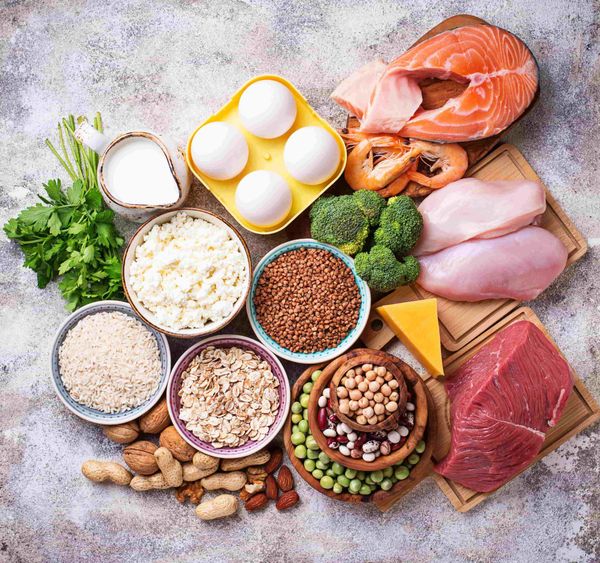
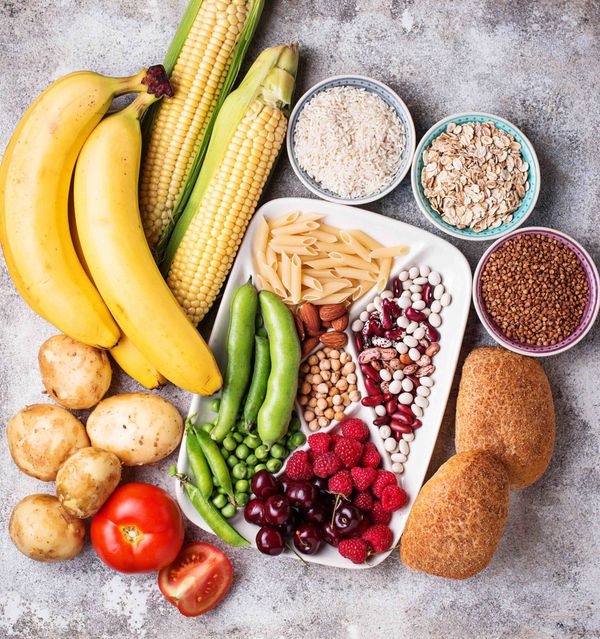
Your body needs fatty acids for countless processes. It can make some of them itself, but two unsaturated fatty acids have to come from your food: the omega-3 fatty acid alpha-linolenic acid and the omega-6 fatty acid linoleic acid. Both are considered essential, meaning you need to get them from your diet in adequate amounts and the right balance. Within the bigger picture of the macronutrients carbohydrates, protein and fat, these essential fatty acids play a special role.
Why omega-3 and omega-6 fatty acids matter
Both essential fatty acids are unsaturated and carry out important jobs in the body. They help support healthy blood vessels and heart, and can contribute to healthy blood lipid levels. They're also an indispensable part of cell membranes, including the membranes of nerve cells and brain cells.
Depending on the type, these fatty acids have very different effects in the metabolism. Even though omega-3 and omega-6 are processed by the same enzymes, they each give rise to different messenger substances with hormone-like properties. That's what makes the balance between the two so significant. You'll find more on healthy fats and what they do in our basics article Fats.
The right ratio: omega-6 to omega-3
In the right amounts, omega-6 fatty acids play a positive part in immune defence, wound healing and growth. In large excess, however, they can get in the way of how omega-3 fatty acids are processed, because they produce messenger substances that may work in the opposite direction.
When both fatty acids are taken in at the right ratio, the effects on the body can be thoroughly positive. The recommendation is: take in no more than four times as much omega-6 as omega-3.
The reality often looks rather different. On average, a typical Western diet contains ten to twenty times more omega-6 than omega-3. The main reason lies in the way we eat. Omega-6 fatty acids are found in abundance in:
- red meat and animal fat
- many common cooking oils (e.g. sunflower oil, corn oil)
- dairy products
This easily tips the balance out of kilter, at the expense of the omega-3 fatty acids.
The best sources of omega-3 fatty acids
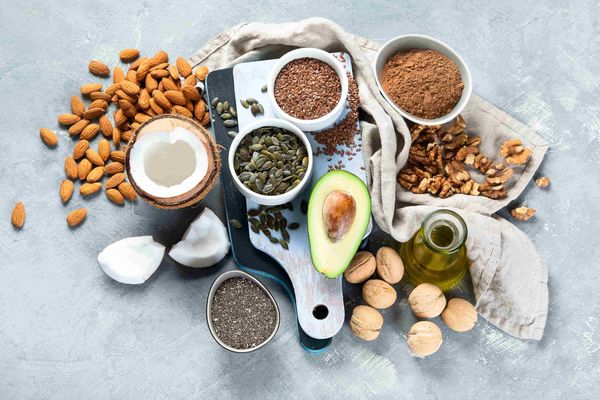
Omega-3 fatty acids are made mainly by plants, and especially by algae. Sea fish feed on algae as a primary food source and so build up plenty of omega-3 fatty acids in their fat. Cold-pressed plant oils also deliver plenty of alpha-linolenic acid. Some especially good sources are:
- Oily sea fish (e.g. salmon, mackerel, herring)
- Flaxseed oil and chia oil (particularly rich in alpha-linolenic acid)
- Walnut oil (whole walnuts work brilliantly too)
- Perilla oil, camelina oil and hemp oil
One tasty recipe that puts salmon centre stage as a source of omega-3 is the Grilled Courgette, Feta & Salmon Parcels. And if you'd like to work walnuts in more often, the Walnut & Rosemary Yoghurt makes an easy breakfast idea.
Eating well with omega-3: keep an eye on the balance
Because omega-3 and omega-6 fatty acids can influence one another as they're metabolised, the ratio in which you take them in really matters. The oils you choose, the types of food you eat and even how you prepare them all play a part.
If you'd like to eat in a way that's effective and well balanced, personalised guidance can be worthwhile. That way you can make sure you're getting all the essential nutrients in the right amounts.
Sources: Zentrum der Gesundheit, German Nutrition Society (DGE), NetDoktor, Vegpool, NDR Ratgeber Gesundheit; "Fit mit Fett" by Andreas Jopp and "Ran an das Fett" by Dr Fleck.
Frequently asked questions
What are omega-3 fatty acids and why are they essential?
Omega-3 fatty acids, above all alpha-linolenic acid, are unsaturated fatty acids your body can't make itself. That's why they need to come from your diet, and they play an important part in the heart, cell membranes and nerve cells.
What ratio of omega-6 to omega-3 is recommended?
A ratio of no more than 4:1 (omega-6 to omega-3) is generally suggested. The average Western diet often sits at 10:1 to 20:1, which can limit the positive effects of omega-3 fatty acids.
Which foods are especially high in omega-3 fatty acids?
Particularly rich sources include oily sea fish (salmon, mackerel, herring), cold-pressed flaxseed oil, chia oil, walnut oil, hemp oil and camelina oil.
Can I get enough omega-3 fatty acids on a vegan diet?
Yes. Plant oils such as flaxseed, hemp and walnut oil provide alpha-linolenic acid. Algae oil supplements also offer EPA and DHA directly from the plant source that fish get their omega-3 from too.
Note: This article is for general information only. It does not constitute medical advice and is no substitute for diagnosis or treatment by doctors or qualified nutrition professionals. If you have any health concerns, please see your doctor.