


Micronutrients
Vitamins, minerals and trace elements are micronutrients that support your immune system every day. Unlike the energy-supplying macronutrients, they contain no calories, yet they're essential for countless body functions. Here's what they are and why they matter.

Vitamins, minerals and trace elements are micronutrients that support your immune system and your whole body every day. Unlike macronutrients, they don't supply energy, but they're absolutely essential for many bodily functions. A shortfall can noticeably affect your performance and your natural defences.
What are micronutrients?
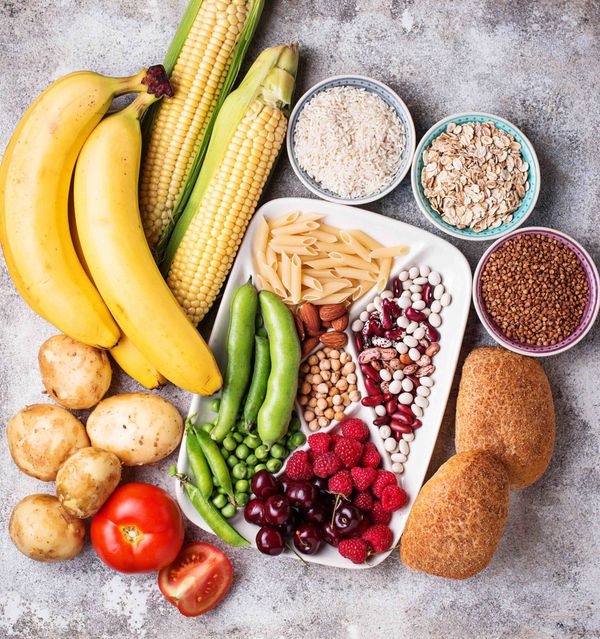
While macronutrients like carbohydrates, protein and fat serve as sources of energy, micronutrients contain no energy themselves. They're still vital, though. They're grouped into:
- Vitamins
- Minerals
- Trace elements
Plant compounds and enzymes are also counted among these so-called vital substances.
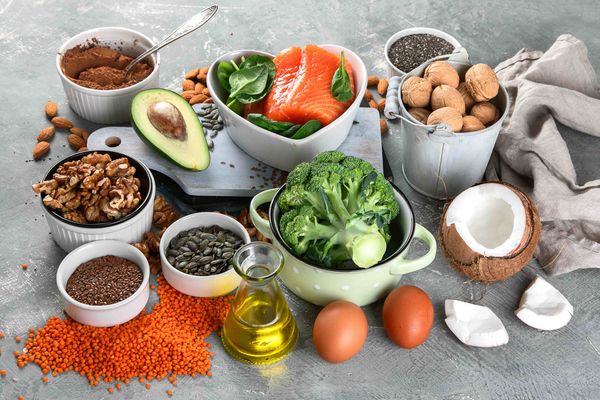
Micronutrients play a big part as building blocks of bone and as scavengers of free radicals, among other roles. They're indispensable for the energy cycle, healthy growth processes and cell protection, keeping your body functioning and supporting your immune defences.
Vitamins for your immune system
Vitamins can support the workings of your immune system, physical growth and various healing processes. They fall into two groups:
- Fat-soluble vitamins: A, D, E and K
- Water-soluble vitamins: vitamin C and the B-group vitamins
As a general rule, to help meet your vitamin needs it's worth aiming for at least three handfuls of fresh vegetables and two handfuls of fruit each day.
Vitamin C and vitamin E
During the cold-and-flu season in particular, it pays to keep an eye on your vitamin intake. Vitamin C and vitamin E, along with other antioxidants, can be involved in the workings of your immune defences. The fat-soluble vitamin E can act as a free-radical scavenger within cell membranes, while vitamin C can support numerous regeneration processes. Together, these vitamins can form an effective network against free radicals, which can weaken your defences and damage DNA.
Folate
The B-vitamin folate helps keep your cells healthy. It's found mainly in leafy greens and grains.
Vitamin D
The so-called sunshine vitamin is important for adequate mineralisation of the bones, since it supports the active uptake of calcium. You can learn more in the article Vitamin D: needs, signs of deficiency and the best sources.
Minerals and trace elements for your immune system
Minerals are divided into macrominerals and trace elements.
Macrominerals include sodium, calcium, magnesium, chloride, phosphorus and potassium. You can learn more about one important example in the article Magnesium: effects, daily needs and the best sources.
Trace elements, as the name suggests, are present in the body only in very small amounts. They include iron, iodine, fluoride, manganese and selenium, among others.
Minerals and trace elements can each take on important and distinct jobs for a healthy immune system, for example:
- Mineralisation of bone tissue
- Wound healing
- Muscle function
- Supplying cell energy
- Oxygen transport
Like vitamins, minerals are micronutrients found in our foods. What matters most for your immune system is a well-balanced overall intake. We can share more detailed guidance in personal nutrition coaching.
The bottom line
Micronutrients — vitamins, minerals and trace elements — are essential parts of a healthy diet. They can help support your immune system and your whole body. With a varied and diverse diet, you play a big part in looking after your own health.
We're happy to support you along the way.
Frequently asked questions
What are micronutrients and why does the body need them?
Micronutrients are vitamins, minerals and trace elements. They don't supply energy, but they're essential for many body functions such as immune defence, cell protection and bone health.
Which vitamins are especially important for the immune system?
Vitamin C, vitamin E and vitamin D can all help support the immune system. Among other things, they act as antioxidants and support the uptake of important minerals like calcium.
What's the difference between macrominerals and trace elements?
Macrominerals like calcium, magnesium and potassium are present in larger amounts in the body. Trace elements like iron, iodine and selenium occur in only very small amounts, yet are still vital.
How can I best meet my micronutrient needs?
The simplest way is a varied diet with plenty of fresh vegetables (at least three handfuls a day) and fruit (at least two handfuls a day). That naturally gives you a broad range of vitamins and minerals.
Note: This article is for general information only. It does not constitute medical advice and is no substitute for diagnosis or treatment by doctors or qualified nutrition professionals. If you have any health concerns, please see your doctor.