


Protein
How important is protein really? When people hear the word protein, they often think of muscles first. Protein is indeed essential for building them, but it does so much more. Here we answer the key questions: what is protein, where do you find it, and how much do you actually need each day?

When it comes to protein, many people immediately think of muscles. Protein is indeed essential for building them, but it does a great deal more. Here you'll learn what protein actually is, which foods it's found in and how much you need each day.
What is protein?
Alongside carbohydrates and fats, protein is the third macronutrient. All three are important sources of energy for your body. Protein in particular is indispensable and contributes to a balanced, healthy diet.
Protein provides you with essential amino acids. Of the 20 amino acids your body needs every day, there are eight it can't make on its own. These have to come from the food you eat.
Protein has many roles in the body:
- Building and contracting muscle
- Supporting the immune system
- Cell regeneration and cell structure
- Blood clotting
- Transporting oxygen and other substances in the blood
- Forming hormones and enzymes
Which foods contain protein?
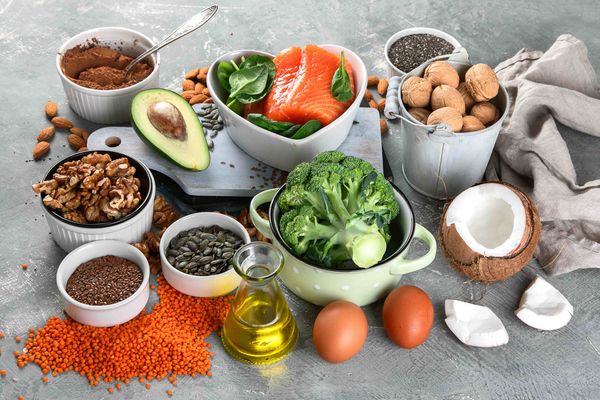
There are plenty of animal- and plant-based foods that work well as a source of protein. Many people think of meat or fish first, but plant sources shouldn't be underestimated either.
Animal protein sources
- Meat (e.g. chicken, beef)
- Fish (e.g. salmon, tuna)
- Cheese (e.g. mozzarella, feta)
- Other dairy products (e.g. low-fat quark, cottage cheese)
- Eggs
Plant protein sources
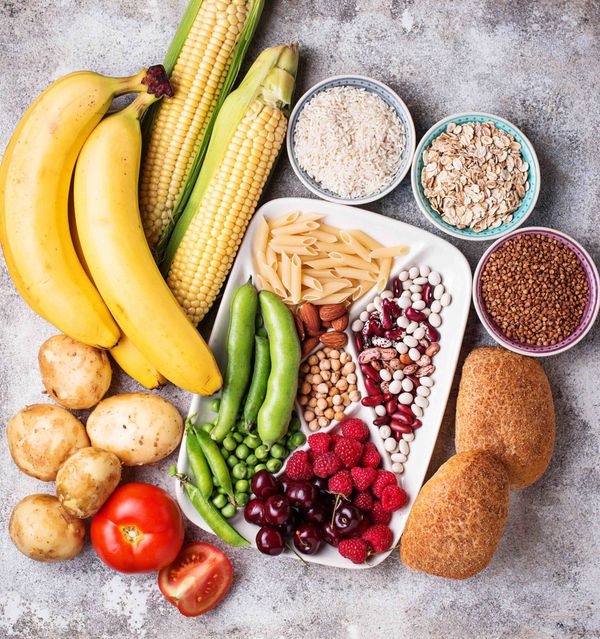
- Legumes (chickpeas, beans, lentils)
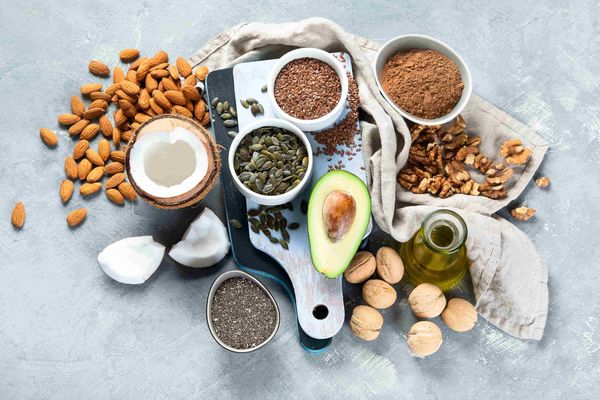
- Nuts (e.g. peanuts)
- Kernels (e.g. cashews)
- Seeds (e.g. chia seeds)
- Soy products and tempeh
- Wholegrain foods
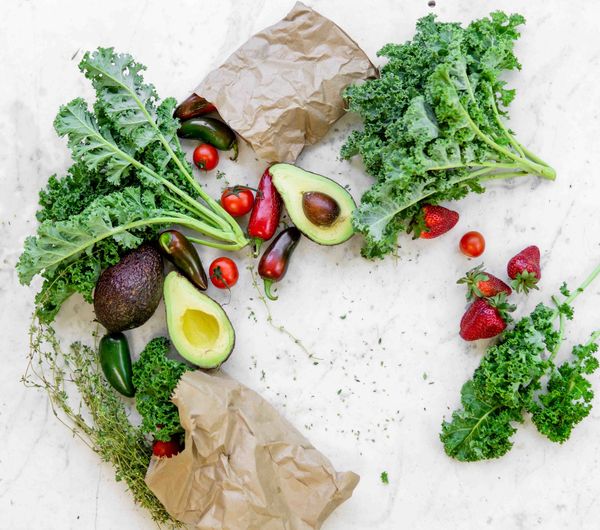
- Vegetables (e.g. broccoli, spinach and other leafy greens)
Good to know: most foods aren't a pure source of protein — they also contain carbohydrates or fats.
- Protein and fat combined: cheese, eggs, nuts
- Protein and carbohydrates combined: legumes, wholegrain foods, potatoes
If you're after some concrete ideas, take inspiration from a tuna bake with a cheese crust, for example, or browse our tips on protein for weight loss.
How much protein do I need each day?
As a rough guide, your daily protein needs come to around 1.0 grams per kilogram of body weight. If you're very active or want to build muscle specifically, your needs will be higher, varying with training intensity and your goals.
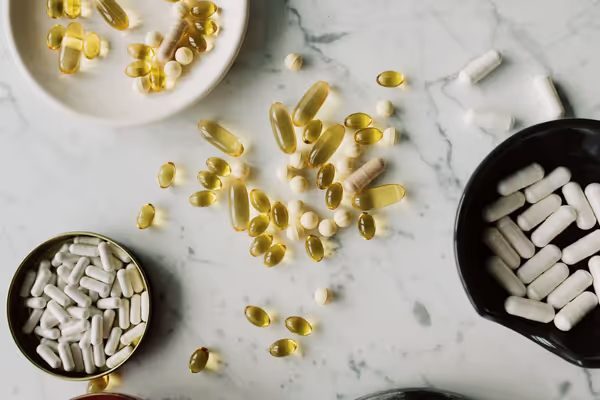
If you find it hard to meet your needs through your regular diet, a protein powder (e.g. whey, casein or a vegan protein powder) can be a useful addition. It's best to choose products without added sugar or sweeteners.
Alongside protein, other nutrients also play an important part in your wellbeing. You'll find a good overview in our article on micronutrients.
The takeaway
With a balanced and varied diet, it's really not that hard to get enough protein. Whether from animal or plant foods, vegetarian or vegan, the options are wonderfully varied. If you're looking for simple, protein-rich meals, take a look at our recipes. And if you'd like to overhaul or fine-tune your diet, you'll also find suggestions here for personal nutrition coaching.
Frequently asked questions
How much protein do I need each day?
As a rough guide, aim for around 1.0 g of protein per kilogram of body weight per day. If you're very active or building muscle, your needs can be considerably higher.
Which foods are especially high in protein?
Among the best animal sources are chicken breast, tuna, eggs and low-fat quark. On the plant side, legumes, tofu, tempeh and nuts are strong choices.
Is plant protein as good as animal protein?
Plant protein sources are genuinely valuable. By combining them cleverly, such as legumes with grains, you can cover all the essential amino acids well.
What does the body need protein for besides muscles?
Protein is involved in many bodily functions, including immune defence, cell regeneration, blood clotting, hormone production and transporting oxygen in the blood.
Note: This article is for general information only. It does not constitute medical advice and is no substitute for diagnosis or treatment by doctors or qualified nutrition professionals. If you have any health concerns, please see your doctor.