


Vitamin D: How Much You Need, Signs of Deficiency and the Best Sources
Vitamin D matters for your bones, immune system and muscle strength, yet many people don't get enough during the darker months. Here's how much you need, how to spot a shortfall and how to top up your levels.

Vitamin D holds a special place among the vitamins: your body can make it itself when your skin gets enough sunlight. But across much of northern Europe, the US and beyond, sunlight from October to March often isn't strong enough to cover your needs. Research suggests that a significant share of adults have low vitamin D levels, particularly in winter. This is far from a minor issue, because this fat-soluble vitamin does much more than regulate calcium metabolism: it plays a role in your immune system, muscle strength, mood and even cell division.
In this guide, you'll learn how much vitamin D you actually need, which signs point to a shortfall, which foods deliver meaningful amounts and when a supplement might make sense.
What vitamin D does in your body
Strictly speaking, vitamin D isn't a classic vitamin at all but a hormone precursor. In the body it's converted into calcitriol, which acts like a hormone and influences numerous genes. Its most important roles include:
- Bones and teeth: Vitamin D helps your gut absorb calcium and phosphorus and supports the way these minerals are built into bone. A long-term shortfall can contribute to weaker bones over time.
- Immune system: Immune cells carry vitamin D receptors. The vitamin supports your body's defences against bacteria and viruses and may help keep inflammatory responses in balance.
- Muscles: Adequate vitamin D contributes to normal muscle function and may help reduce the risk of falls in later life.
- Mood: Studies more often link low vitamin D levels with low mood and seasonal dips in the darker months.
- Cell health: The vitamin is involved in regulating cell growth and cell differentiation.

How much vitamin D do you need each day?
For adults aged 18 to 64, nutrition guidelines commonly suggest a reference value of around 800 IU (international units), or 20 micrograms per day, when your skin can't make enough through sunlight. Different recommendations apply to infants, pregnant and breastfeeding people, and those over 65. Here's an overview of the typical reference values:
- Infants (0 to 12 months): 400 IU (10 µg) daily, usually as supplement drops
- Children and teens: 800 IU (20 µg)
- Adults up to 64: 800 IU (20 µg)
- Adults 65 and over: 800 IU (20 µg), since skin and kidneys make and activate vitamin D less efficiently with age
- Pregnant and breastfeeding people: 800 IU (20 µg)
Keep in mind: these values assume your skin makes little to no vitamin D on its own. If you spend plenty of time in the sun each day, your dietary need is lower. For an accurate picture, ask your GP for a blood test that measures your 25-OH vitamin D level. A reading of 50 nmol/l (20 ng/ml) or above is generally considered sufficient.

How to spot a vitamin D shortfall
A vitamin D shortfall usually develops slowly and often only shows up once levels have dropped noticeably over several months. The signs are frequently non-specific, which is why many people don't notice anything for a long time. Typical symptoms to watch for:
- Ongoing tiredness and exhaustion: One of the most common but least specific signs of a low level.
- Frequent infections: If you catch one cold after another every winter, it's worth having your vitamin D level checked.
- Bone and back pain: Disrupted calcium metabolism can cause dull aches, especially in the back, legs and hips.
- Muscle weakness and cramps: Some people report heavy-feeling legs and a loss of strength.
- Low mood: Especially in winter, when both light and vitamin D are in short supply, you may feel flat or unmotivated.
- Slower wound healing: Vitamin D plays a part in skin repair, so a shortfall may slow healing.
- Hair loss: Some studies have observed a link between low vitamin D levels and increased hair shedding.
The only reliable way to confirm a shortfall is a blood test. If you notice several of these symptoms, talk to your doctor.

The best food sources of vitamin D
Meeting your vitamin D needs through food alone is tricky, since only a few foods contain meaningful amounts. Even so, it's worth building these into your meals:
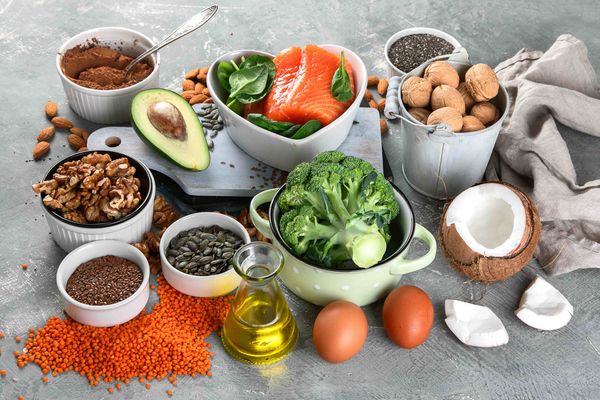
- Oily sea fish: Herring (around 7 µg per 100 g), salmon (around 16 µg), mackerel (around 4 µg) and sardines (around 11 µg) are the clear front-runners. Two to three portions of fish a week make a noticeable contribution.
- Liver: Beef liver provides around 1.7 µg per 100 g. Because of its high vitamin A content, it's best not eaten every day.
- Eggs: One egg contains roughly 1 to 2 µg of vitamin D, mostly in the yolk. Free-range eggs from sun-exposed hens can contain slightly more.
- Mushrooms: UV-treated or sun-dried mushrooms such as shiitake or button mushrooms can hold up to 10 µg per 100 g. Conventionally grown mushrooms kept in the dark provide considerably less.
- Fortified foods: Some plant milks, spreads and breakfast cereals are fortified with vitamin D. It's worth checking the nutrition label.
For comparison: 100 g of salmon gives you around 80 percent of the daily reference amount when your skin isn't making any of its own. If you don't eat fish, it's worth planning alternative sources carefully.
Sunlight, your most important source: how to use it well
Your body makes around 80 to 90 percent of the vitamin D it needs itself, when UVB rays reach your skin and convert the precursor provitamin D3. For this to work, a few factors matter:
- Time of day: Between roughly 10am and 3pm the sun sits high enough for UVB rays to reach the ground. Early morning or evening, UVB intensity is too low.
- Season and latitude: In much of northern Europe, meaningful production from your own skin is really only realistic from around April to September. In winter the sun's angle is too shallow.
- Amount of skin exposed: The more skin is uncovered, the more vitamin D you make. Face, arms and legs are usually enough.
- Skin type: Fair skin makes vitamin D faster than darker skin, because melanin reduces UVB absorption.
- Exposure time: On a sunny summer's day, people with fair skin often need just 15 to 25 minutes. Always avoid getting sunburnt. After that, apply sun protection, since sunscreen reduces UVB absorption.
Window glass filters out almost all UVB, which is why sitting by a window or in the car triggers no meaningful vitamin D production.
Vitamin D supplements: when and how to take them
When neither sun nor food is enough to keep your levels up, a supplement can make sense. It's especially worth considering for:
- People who rarely go outdoors or keep their skin largely covered
- Older adults aged 65 and over
- Babies in their first year of life
- People with darker skin living at northern latitudes
- People with conditions that affect vitamin D absorption or activation (for example inflammatory bowel disease or kidney disease)
For healthy adults without a confirmed shortfall, a common daily dose of 800 to 1,000 IU is generally considered safe. If a doctor has diagnosed a shortfall, higher doses may be prescribed for a limited period. Keep in mind: vitamin D is fat-soluble and can build up in the body. Consistently taking too much (toxicity usually only occurs above a sustained 10,000 IU per day) can lead to raised calcium levels. So have your level checked regularly before taking high doses on your own.
Common supplements contain vitamin D3 (cholecalciferol), which the body uses more effectively than D2. Combining it with vitamin K2 is often said to support calcium metabolism, although the research on this isn't yet conclusive.
Frequently asked questions
How much vitamin D do I need each day?
For adults, guidelines commonly suggest a reference value of around 800 IU (20 micrograms) a day when your skin can't make enough through sunlight. Different values apply to infants, older adults and certain at-risk groups. A blood test gives the clearest picture of your personal needs.
Which foods contain the most vitamin D?
Oily sea fish like salmon, herring and mackerel are the best food sources. Eggs (the yolk), liver and UV-treated mushrooms also provide useful amounts. Even so, covering your needs through food alone without sun exposure is difficult.
Can I get vitamin D by sitting near a window?
No. Window glass filters out almost all of the UVB rays your skin needs to make vitamin D. Only direct sunlight outdoors triggers your body's own production.
Is it possible to take too much vitamin D?
Yes, because vitamin D is fat-soluble and can build up in the body. In healthy adults, toxicity usually only occurs with sustained intake well above 10,000 IU a day. If you're on high doses prescribed by a doctor, your level should be checked regularly.
When should I see a doctor about low vitamin D?
If you notice several typical symptoms such as ongoing tiredness, frequent infections, or bone or muscle pain, it's worth seeing a doctor. Only a blood test (25-OH vitamin D) can reliably confirm a shortfall and help determine the right dose if you need a supplement.
Note: This article is for general information only. It does not constitute medical advice and is no substitute for diagnosis or treatment by doctors or qualified nutrition professionals. If you have any health concerns, please see your doctor.