


Iron: The Essential Trace Element
Just how important is iron really? Iron is a key building block that helps you stay healthy and full of energy. When you're short on this trace element, deficiency signs can appear quickly and affect your whole body. We'll show you how to help prevent an iron deficiency and keep your body well supplied.

Iron is an essential trace element that your body needs for many vital functions. When it's lacking, an iron deficiency can develop that affects your entire system. Here you'll learn why iron matters so much, what can contribute to a deficiency and how to keep your body well supplied.
What is iron and why does your body need it?
Iron belongs to the micronutrients, more specifically to the trace elements. It's only present in the body in very small amounts, yet it's still indispensable for keeping many processes running smoothly. When your intake is too low, an iron deficiency can develop that noticeably affects your metabolism.
This trace element mainly takes on the following tasks:
- Cell formation: Iron plays a major role in the formation of new cells.
- Oxygen supply to the muscles: Iron binds to what's known as muscle haemoglobin (myoglobin), helping to make sure your muscles get enough oxygen.
- Metabolism: A shortage can have a negative effect above all on your muscles and cells.
What can cause an iron deficiency
There are many reasons an iron deficiency can develop. The most common one is simply taking in too little iron through your diet, for example with a diet high in fast food and low in variety. Beyond that, the following factors can play a role:
- Frequent or heavy bleeding
- Chronic inflammation
- Impaired kidney function
- Intolerances, for example to gluten
The best approach is to have your blood checked regularly to see whether your iron levels are within the normal range.
What are the normal values and daily requirement?
According to common nutrition guidelines, blood iron levels (serum iron) should roughly cover the following ranges:
- Women: 60 to 180 µg/dl
- Children up to 13 years: 30 to 140 µg/dl
- Men: 70 to 180 µg/dl
To help prevent deficiency signs, an average daily intake of around 15 milligrams of iron through your diet is generally recommended.
How to keep your body well supplied with iron
You can take in iron both through supplements and quite naturally through the right foods. The natural route has the advantage that your body can process the trace element well, while you also get plenty of other valuable nutrients at the same time.
One thing to keep in mind: not all iron-rich foods are the same. What matters is the so-called bioavailability, in other words how well your body can actually absorb and use the iron. The make-up of your meals also plays a big role:
- Boosting iron absorption: Combine iron-rich foods with ingredients that contain vitamin C, such as peppers, lemon juice or broccoli. Vitamin C noticeably improves iron absorption.
- Hindering iron absorption: Coffee, tea, milk and dairy products, as well as white-flour products, can slow down iron absorption. It's best not to have these right alongside an iron-rich meal.
The best foods for a good iron supply
Iron is found in both animal and plant-based foods. Here's an overview of especially good sources:
Animal foods:
- Egg yolk
- Beef
- Lamb
- Mussels
- Oysters
Plant-based foods:
- Wheat bran
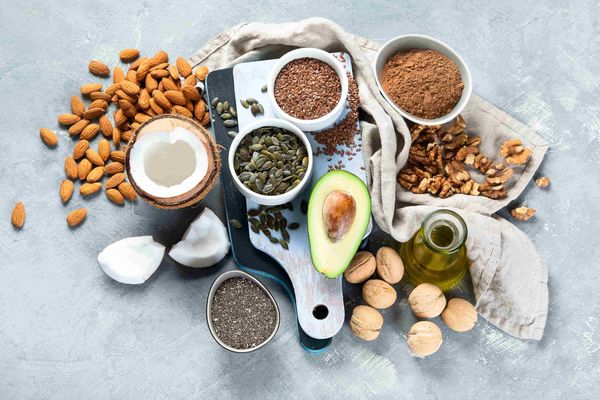
- Pumpkin seeds
- Sesame
- Flaxseed
- Soybeans
- Parsley
Especially if you follow a plant-based diet, it's worth pairing iron sources deliberately with vitamin C, since plant-based iron (non-haem iron) is absorbed less efficiently by the body than animal iron (haem iron). For more on how to keep an eye on your overall nutrient intake, take a look at our article on macronutrients explained simply.
Another important trace element for your body, by the way, is magnesium, whose effects and daily requirement we also explain in detail.
The takeaway: how to help prevent iron deficiency
Iron is a small but powerful trace element. With a mindful, balanced diet, regular blood checks and the right combination of foods, you can do a lot to help prevent a deficiency. If you're unsure about your own nutrient intake, we're happy to help you one-on-one. Our team of nutrition coaches works around your needs and everyday routine to create an eating plan that genuinely suits you.
Frequently asked questions
How can I tell if I have an iron deficiency?
Common signs of low iron include lasting tiredness, pale skin, trouble concentrating and shortness of breath. The only way to know for sure is a blood test with your doctor.
Which foods are especially high in iron?
Good animal sources include beef, lamb, oysters and egg yolk. On the plant side, pumpkin seeds, sesame, flaxseed, soybeans and parsley are rich in iron.
How much iron do I need each day?
For adults, a daily iron intake of roughly 10 to 15 milligrams is generally recommended. Women of childbearing age have a somewhat higher need because of menstruation.
What helps and what hinders iron absorption?
Vitamin C noticeably boosts iron absorption, while coffee, black tea, milk and white-flour products can slow it down. It's a good idea to pair iron-rich meals with a glass of orange juice.
Note: This article is for general information only. It does not constitute medical advice and is no substitute for diagnosis or treatment by doctors or qualified nutrition professionals. If you have any health concerns, please see your doctor.