All About Coconut
Botanically speaking, the coconut isn't a true nut at all but a drupe (a stone fruit). It's packed with useful things: coconut flesh, coconut flour, aromatic coconut oil and mineral-rich coconut water. If you're cutting out gluten, dairy or soya, the coconut offers a versatile and delicious alternative. Here's a compact overview of the main coconut products and what they can do in your kitchen.
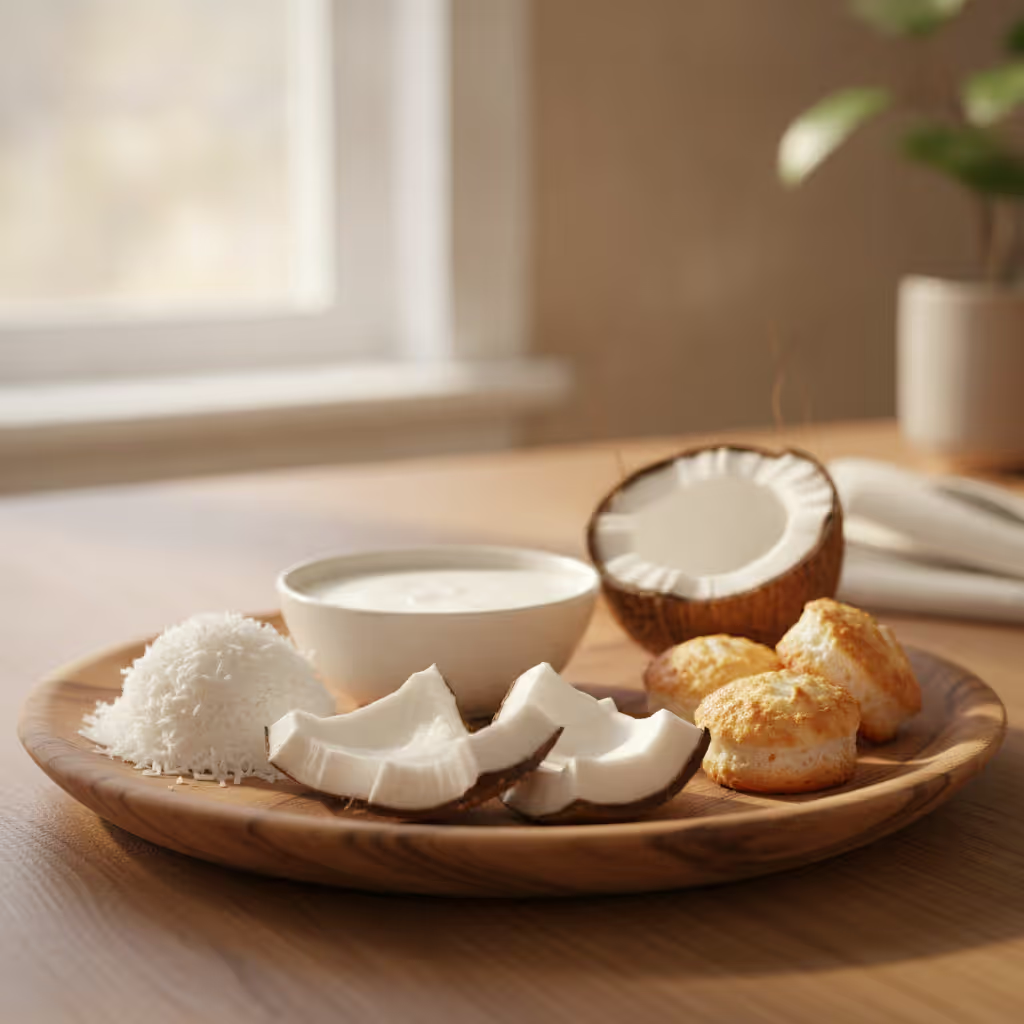
Ingredients
- 358 kcal Coconut (energy), per 100 g, source: Wikipedia
- 45 g Water, per 100 g coconut
- 36 g Fat, per 100 g coconut
- 4 g Protein, per 100 g coconut
- 4.8 g Sugar, per 100 g coconut
- 9 g Fibre, per 100 g coconut
- 380 mg Potassium, per 100 g coconut
- 20 mg Calcium, per 100 g coconut
- 39 mg Magnesium, per 100 g coconut
- 2 mg Vitamin C, per 100 g coconut
Instructions
- Coconut as a food: The coconut is the fruit of the coconut palm and, botanically, a stone fruit. So many products come from around its flesh: fresh coconut, desiccated coconut, coconut chips, coconut flour, coconut oil, coconut milk, coconut water, coconut butter (manna), coconut sugar and coconut blossom syrup.
- Naturally gluten-free: Gluten is the protein found in most grains, and some people choose or need to avoid it, whether they have coeliac disease or a gluten sensitivity. The good news is that coconut products are naturally gluten-free, which makes them a handy alternative when you're baking or cooking without wheat.
- Using coconut flour well: Coconut flour contains only around 15 g of carbohydrate per 100 g (for comparison, wheat flour has roughly 70 g). It's rich in insoluble fibre (about 40 to 55 percent), aromatic, gluten-free and moderate in fat. As a grain-free flour it works nicely for baking, but keep in mind it soaks up far more liquid than conventional flours, so recipes usually need extra moisture. Tip: look for it in health-food shops, often around 500 g for a few pounds.
- Making the most of coconut milk and water: Coconut water, straight from a fresh young coconut, is a refreshing source of minerals such as potassium and magnesium. It's a lovely, light drink on its own or after exercise. In cooking, coconut milk is a favourite for curries and vegetable dishes and adds creaminess to smoothies.
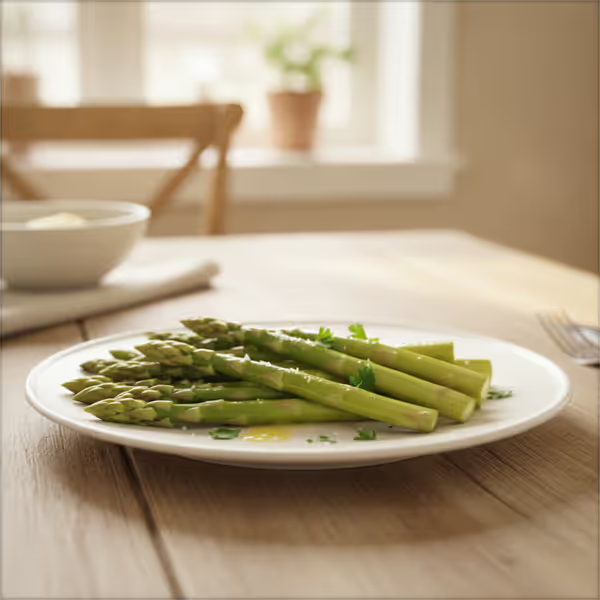
- Coconut oil, hot and cold: Coconut oil suits both hot and cold cooking. Thanks to its high proportion of saturated fats it's very heat-stable, so it holds up well at high temperatures. Cold, it works in salad dressings and smoothies; warm, it's great for frying vegetables and meat, and for baking. During asparagus season, try drizzling a little melted coconut oil over the spears as a change from butter or hollandaise.
- What to look for when buying coconut oil: On the label, look for the words "virgin" or "virgin coconut oil". Good-quality coconut oil is gently processed, keeps its natural coconut flavour, is heat-stable and stores well. As a bonus, many people also use it as a simple moisturiser for skin and hair.
Nutrition facts per serving (estimate)
| Calories | 358 kcal |
|---|---|
| Carbohydrates | 15 g |
| Protein | 4 g |
| Fat | 36 g |
| Fibre | 9 g |
| of which sugar | 4.8 g |
Frequently asked questions
Is coconut flour gluten-free?
Yes, coconut flour is naturally gluten-free, which makes it a useful flour alternative if you have a gluten sensitivity or coeliac disease.
How many carbs does coconut flour have?
Coconut flour contains only around 15 g of carbohydrate per 100 g, noticeably less than wheat flour, which has roughly 70 g per 100 g.
What does "virgin" mean on coconut oil?
"Virgin" or "virgin coconut oil" indicates gently processed oil that keeps much of its natural flavour and character, rather than being heavily refined.
What is coconut water good for?
Coconut water is a light, refreshing drink that provides minerals such as potassium and magnesium, making it popular on its own or after exercise.